How to Sanitize Your DIY Skincare Tools and Containers is a crucial topic for anyone venturing into the world of homemade skincare. Maintaining hygiene in your DIY practices not only enhances the efficacy of your products but also safeguards your skin from potential irritations and infections. Understanding the importance of sanitation is the first step towards ensuring that your skincare routine is both safe and enjoyable.
This guide will take you through the essential steps to effectively clean and maintain your skincare tools and containers. By outlining necessary materials, step-by-step processes, and best practices, you will be equipped to create a safe and hygienic environment for your DIY skincare creations.
Importance of Sanitizing Skincare Tools
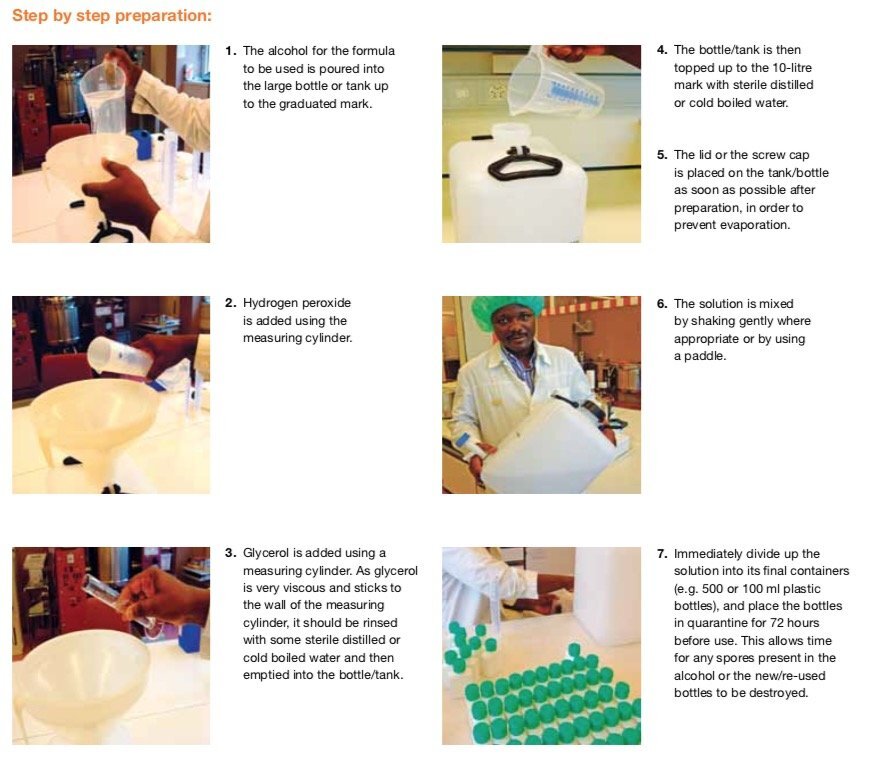
In the realm of DIY skincare, the significance of maintaining hygiene cannot be overstated. Skincare tools and containers, when not properly sanitized, can harbor a multitude of harmful pathogens that may compromise both the efficacy of the products and the health of the skin. Understanding the importance of sanitation is vital for anyone engaged in crafting their own skincare remedies.The potential risks associated with using unclean tools and containers can lead to adverse skin reactions, including breakouts, infections, and irritations.
When tools are contaminated, they can transfer bacteria, yeast, and mold directly onto the skin, which is particularly concerning for individuals with sensitive skin or pre-existing skin conditions. Thus, regular sanitation practices are essential to ensure that the DIY skincare experience remains safe and beneficial.
Common Contaminants Found on Skincare Tools
It is crucial to recognize the types of contaminants that can accumulate on skincare tools. These may include:
- Bacteria: Common types such as Staphylococcus and E. coli can thrive on unclean surfaces, increasing the risk of skin infections.
- Fungal spores: These can lead to conditions such as athlete’s foot or ringworm, particularly if tools are used interchangeably between different body areas.
- Dead skin cells: Accumulation of these can create a breeding ground for microbes, compromising the cleanliness of the tools.
- Residual product build-up: Leftover ingredients from previous applications can deteriorate the quality of future mixtures and may also harbor bacteria.
- Environmental pollutants: Dust, dirt, and other particulates can settle on tools and containers, further contaminating products during application.
Understanding these potential contaminants underscores the need for rigorous sanitation practices. Regular cleaning and disinfection of skincare tools and containers not only enhances the safety of DIY formulations but also ensures the overall effectiveness of skincare routines. Maintaining cleanliness is an essential step toward achieving healthy, radiant skin.
Overview of Necessary Tools and Materials
In order to effectively sanitize your DIY skincare tools and containers, it is crucial to gather the appropriate tools and materials. Having the right items on hand not only simplifies the sanitization process but also ensures that your skincare routine remains hygienic and safe. Below is an overview of essential tools, suitable cleaning agents, and a checklist to ensure a thorough sanitization process.
Essential Tools for Sanitizing Skincare Equipment
The following tools are essential for the sanitization of skincare equipment. They help in ensuring that all surfaces are thoroughly cleaned and free from contaminants.
- Clean microfiber cloths: Ideal for wiping surfaces without leaving residue or lint.
- Spray bottles: Useful for applying cleaning solutions evenly.
- Soft brushes: Effective for reaching into small crevices of tools and containers.
- Gloves: Protects hands from exposure to cleaning agents.
- Measuring cups: For accurate mixing of cleaning solutions.
Cleaning Agents Suitable for Skincare Tools
Choosing the right cleaning agents is crucial for effective sanitization. It is important to select products that are safe for your skincare tools and won’t leave harmful residues.
- Isopropyl alcohol (70%): A potent disinfectant that effectively kills bacteria and viruses.
- White vinegar: A natural cleaner with antimicrobial properties, suitable for light cleaning tasks.
- Castile soap: A gentle yet effective soap made from natural ingredients, safe for most tools.
- Hydrogen peroxide (3%): An effective disinfectant that can be used on non-porous surfaces.
Checklist for Effective Sanitization Process
To ensure that the sanitization process is thorough and effective, it is beneficial to have a checklist. This ensures that no steps are overlooked and that all necessary items are gathered before beginning.
- Gather all tools and materials listed above.
- Prepare a sanitizing solution using one of the recommended cleaning agents.
- Ensure work surfaces are clean and dedicated to the sanitization process.
- Wear gloves to protect your skin from cleaning agents.
- Use a clean microfiber cloth to apply the solution to tools and containers.
- Allow tools to air dry completely before storing.
“Maintaining cleanliness in skincare tools is essential for preventing contamination and ensuring the safety of your skin.”
Step-by-Step Sanitization Process
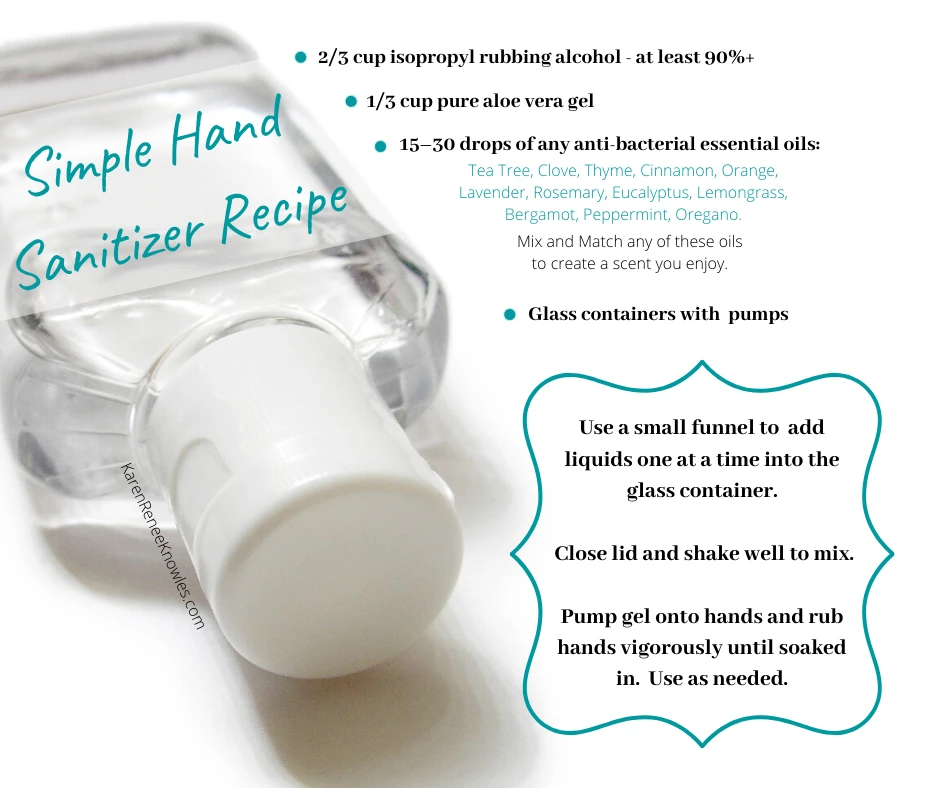
To ensure the safety and effectiveness of your DIY skincare products, it is essential to sanitize your tools and containers meticulously. This process helps to eliminate bacteria, fungi, and other harmful microorganisms that can compromise your skincare formulations. Below, we Artikel a comprehensive guide to sanitizing tools made from various materials as well as containers used for storing your creations.
Sanitization Techniques for Different Materials
Cleaning tools made from different materials requires specific methods to preserve their integrity while ensuring they are properly sanitized. Below are the recommended cleaning procedures for glass, plastic, and metal tools. Glass Tools:Glass tools, such as measuring cups and droppers, can be sanitized using the following method:
- Wash with warm soapy water to remove any residue.
- Rinse thoroughly with hot water.
- Submerge in a solution of 70% isopropyl alcohol for at least 10 minutes.
- Allow to air dry completely before use.
Plastic Tools:Plastic tools, including spatulas and containers, require cautious handling to avoid damage:
- Clean with warm soapy water and a soft sponge.
- Rinse well to remove soap.
- Sanitize by soaking in a mixture of 1 part vinegar to 5 parts water for 5-10 minutes.
- Rinse again with hot water and let air dry.
Metal Tools:Metal tools, such as scissors and tweezers, can be effectively sanitized as follows:
- Clean the surface with warm soapy water and a cloth.
- Rinse under hot running water.
- Wipe with a cotton pad soaked in 70% isopropyl alcohol.
- Allow to air dry or use a clean towel to dry immediately.
Sanitizing Containers for Skincare Products
Properly sanitizing containers is crucial for maintaining the integrity of your skincare products. Here is a straightforward method to sanitize containers made from glass or plastic:
- Begin by cleaning the outside and inside of the containers with warm, soapy water.
- Rinse thoroughly to eliminate any soap residue.
- For glass containers, soak in 70% isopropyl alcohol for 10 minutes. For plastic containers, use the vinegar solution mentioned earlier.
- After soaking, rinse again with hot water and let the containers air dry completely before filling them.
Recommended Sanitization Methods Table
The following table summarizes the recommended sanitization methods for various tools along with their corresponding cleaning agents:
| Tool Material | Recommended Sanitization Method | Cleaning Agent |
|---|---|---|
| Glass | Soak in isopropyl alcohol | 70% isopropyl alcohol |
| Plastic | Soak in vinegar solution | 1 part vinegar to 5 parts water |
| Metal | Wipe with isopropyl alcohol | 70% isopropyl alcohol |
| Containers | Soak and rinse | 70% isopropyl alcohol or vinegar solution |
“A sanitized environment is key to effective and safe skincare formulations.”
Carefully following these methods will help ensure your DIY skincare tools and containers are free from harmful contaminants, allowing you to create your products with confidence.
Best Practices for Regular Maintenance
Maintaining the cleanliness and functionality of your skincare tools and containers is crucial for ensuring the safety and effectiveness of your DIY skincare products. Regular upkeep helps to prevent contamination, promotes skin health, and extends the lifespan of your tools. Incorporating best practices into your routine can significantly reduce the risk of outbreaks and enhance your overall skincare experience.Consistent sanitization and care of skincare tools can prevent the buildup of bacteria and other harmful pathogens.
The frequency of sanitization will vary based on the type of tool or container in use. For instance, tools that come into direct contact with skin or products should be sanitized more frequently than those that are not. Understanding how to properly maintain your tools will ensure they remain in optimal condition.
Routine Upkeep and Frequency of Sanitization
Regular cleaning and sanitizing of skincare tools is essential for maintaining hygiene. The following guidelines summarize the recommended frequency and practices for different types of skincare tools and containers:
- Makeup Brushes and Sponges: Clean weekly to prevent product buildup and bacteria growth.
- Glass Jars and Containers: Sanitize after each use or before new product application, especially if they contain active ingredients.
- Tweezers and Scissors: Sanitize after each use to avoid cross-contamination, particularly when used for personal grooming.
- Facial Rollers and Gua Sha Tools: Wipe down with alcohol after each use, and perform a deeper clean bi-weekly.
- Pipettes and Droppers: Sanitize after each use, especially if they come into contact with liquid formulations.
Implementing proper hygiene practices is essential in preventing contamination. Below are key dos and don’ts to keep in mind when maintaining the cleanliness of your skincare tools:
Dos and Don’ts for Maintaining Hygiene
To help maintain a high standard of hygiene, consider the following recommendations:
Adhering to these dos and don’ts can greatly enhance the longevity and safety of your skincare tools:
- Do clean tools after every use with mild soap and warm water, followed by thorough drying.
- Do store tools in a clean, dry place to minimize exposure to dust and bacteria.
- Do regularly inspect tools for signs of wear or damage and replace them as needed.
- Don’t share skincare tools with others to prevent the spread of bacteria.
- Don’t use unwashed hands when handling tools to avoid introducing contaminants.
- Don’t neglect to replace disposable items, such as cotton pads, regularly to maintain cleanliness.
Regular maintenance of skincare tools is key to ensuring the safety and effectiveness of your DIY skincare routines.
Troubleshooting Common Issues
Maintaining the cleanliness and functionality of your DIY skincare tools and containers is essential for ensuring the integrity of your skincare products. However, even with diligence, you may encounter common issues that require troubleshooting. This section will Artikel effective strategies for dealing with stubborn residues, recognizing when tools need replacing, and evaluating the effectiveness of various cleaning agents.
Dealing with Stubborn Residues
Stubborn residues can accumulate on skincare tools due to the consistency of certain ingredients. To effectively eliminate these residues, it is important to use the right approach. Here are some recommended methods for tackling stubborn residues on your tools:
- Soaking: Immerse tools in warm, soapy water for at least 15-30 minutes. This helps to soften the residues, making them easier to remove.
- Scrubbing: Utilize a soft-bristled brush or sponge to gently scrub the surfaces, paying attention to hard-to-reach areas where residue may linger.
- Natural Cleaning Agents: For tougher residues, consider using a paste made from baking soda and water, which acts as a gentle abrasive to lift away stuck particles without damaging the tools.
- Vinegar Solution: A mixture of equal parts water and white vinegar can dissolve buildup. Soaking tools in this solution for a few minutes can be particularly effective.
Identifying When Tools Need Replacing
Determining whether your skincare tools require replacement or just sanitizing can save you time and money. Here are key indicators to help you make this assessment:
- Visible Damage: If tools show signs of cracks, rust, or significant wear and tear, it is time to replace them to avoid contamination.
- Persistent Odors: An inability to completely remove odors, even after thorough cleaning, may indicate that the materials have absorbed contaminants.
- Material Degradation: Items made from porous materials may harbor bacteria over time, making them unsuitable for further use.
- Loss of Functionality: If tools no longer perform their intended function—such as a spatula that has lost its shape—it is advisable to acquire replacements.
Comparing Cleaning Agents
When considering cleaning solutions, it is essential to compare the effectiveness of natural versus chemical cleaning agents. Both options have their merits, and understanding their benefits can guide your choice.
- Natural Cleaning Agents: Ingredients such as vinegar, baking soda, and essential oils are often preferred for their non-toxic properties and minimal environmental impact. They are effective against grease and residues while being gentle on tools.
- Chemical Cleaning Agents: Commercial cleaners can provide strong disinfecting properties, necessary for eliminating bacteria and viruses. However, they may contain harsh chemicals that could degrade some materials over time.
- Effectiveness: Natural agents may require more time and elbow grease, while chemical agents usually offer rapid results. Consider the nature of your tools and the residues encountered when selecting a cleaning method.
“Choosing the right cleaning method is paramount in ensuring the longevity of your skincare tools, while also maintaining the quality of your skincare products.”
Safety Considerations During Sanitization

When sanitizing your DIY skincare tools and containers, prioritizing safety is paramount. The cleaning agents used in the sanitization process can contain strong chemicals that may pose risks if not handled properly. Maintaining a safe environment not only protects your health but also ensures that your skincare tools are effectively sanitized without introducing harmful substances into your products.Safety measures during sanitization involve understanding the properties of the cleaning agents and how they interact with the skin and respiratory system.
It is essential to adopt protective gear to minimize exposure to potentially irritating substances.
Protective Gear Usage
Utilizing appropriate personal protective equipment (PPE) can significantly reduce the risk of adverse reactions during the cleaning process. The following items are crucial for ensuring a safe sanitization experience:
- Gloves: Wearing disposable gloves protects your skin from direct contact with harsh chemicals. This is especially important for individuals with sensitive skin or allergies. Latex or nitrile gloves are recommended for their durability and chemical-resistant properties.
- Masks: A mask serves to prevent inhalation of fumes and particles that may be released by cleaning agents. A simple surgical mask may suffice; however, for stronger chemicals, a respirator with a proper filter is advisable to ensure adequate protection.
- Protective Eyewear: Safety goggles or glasses can shield your eyes from splashes or vapors, which is particularly important when using liquid cleaners.
Identifying Allergic Reactions and Irritations
Being aware of potential allergic reactions or irritations is crucial when working with cleaning agents. Certain chemicals may cause adverse effects, including skin irritation, respiratory issues, or allergic reactions. The following signs should be monitored closely:
- Skin Reactions: Redness, itching, or rash on the skin where cleaning agents have come into contact may indicate an allergic reaction. Discontinue use immediately and wash the affected area with water and mild soap.
- Respiratory Distress: Symptoms such as coughing, wheezing, or difficulty breathing can arise from inhaling fumes. If these symptoms occur, move to an area with fresh air and seek medical advice if they persist.
- Eye Irritation: If cleaning agents come into contact with the eyes, symptoms such as redness, watering, or a burning sensation are common. Rinse the eyes with clean water for at least 15 minutes and consult a healthcare professional if irritation continues.
“Prevention is better than cure; proactive safety measures protect not only your health but also the integrity of your skincare routine.”
Final Summary
In conclusion, mastering the art of sanitizing your DIY skincare tools and containers is paramount for achieving the best results while protecting your skin. Regular maintenance and adherence to best practices not only prevent contamination but also enhance the longevity of your tools. By following the Artikeld procedures and safety guidelines, you can embark on your skincare journey with confidence, knowing that hygiene is well taken care of.