How to Infuse Herbs into Oils for Potent Skincare is a fascinating journey into the world of natural beauty. This practice not only allows you to harness the therapeutic properties of various herbs but also enriches your skincare routine with unique, personalized formulations. By understanding the historical significance and traditional applications of herb-infused oils, you can elevate your self-care rituals and achieve glowing skin.
In this guide, we will explore the diverse benefits of herb-infused oils, the selection of suitable herbs, and the myriad methods available for infusion. From understanding the properties of different oils to incorporating these infusions into your everyday skincare routine, every aspect is covered to empower you in creating effective and safe herbal concoctions tailored to your skin’s needs.
Introduction to Herb-Infused Oils
Herb-infused oils have garnered considerable attention in the realm of skincare due to their ability to harness the therapeutic properties of various herbs. These oils not only serve as potent moisturizers but also deliver the benefits of the herbs they contain, making them a valuable addition to any skincare regimen. The infusion process extracts essential compounds from the herbs, resulting in oils that can soothe, heal, and nourish the skin.Herb-infused oils can be made from a diverse array of herbs, each offering unique benefits for the skin.
Common choices for infusion include calendula, known for its anti-inflammatory properties; chamomile, which is soothing and calming; and lavender, celebrated for its antiseptic qualities. Other beneficial herbs include rosemary, which can stimulate circulation, and neem, recognized for its antibacterial effects. By understanding the properties of these herbs, individuals can select the right infusion that aligns with their skincare needs.
Benefits of Herb-Infused Oils in Skincare
Utilizing herb-infused oils in skincare provides numerous advantages, particularly in enhancing the overall health and appearance of the skin. The benefits of these oils are derived from their natural compounds, which can address various skin concerns effectively.
- Moisturization: Herb-infused oils are rich in fatty acids that help to hydrate and lock moisture into the skin, resulting in a soft and supple texture.
- Anti-inflammatory Properties: Many herbs used in infusions contain anti-inflammatory components that can reduce redness and irritation, making them suitable for sensitive or acne-prone skin.
- Antioxidant Protection: The infusion process extracts antioxidants from herbs, which can combat free radicals that contribute to skin aging, thus promoting a youthful appearance.
- Enhanced Skin Healing: Certain herbs possess healing properties that can aid in the recovery of blemishes, scars, and sun damage, accelerating the skin’s natural repair processes.
- Natural Fragrance: Herb-infused oils provide a gentle and pleasant aroma, enhancing the sensory experience of skincare routines without the need for synthetic fragrances.
Types of Herbs for Skincare Infusion
The selection of herbs for infusion can significantly influence the effectiveness of the resulting oils. The characteristics and benefits of various herbs make them suitable for specific skincare purposes.
- Calendula: Ideal for its healing and anti-inflammatory properties, calendula is often used for soothing irritated skin, including conditions like eczema and dermatitis.
- Chamomile: Renowned for its calming effects, chamomile-infused oil is excellent for sensitive skin, helping to alleviate redness and promote relaxation.
- Lavender: Known for its antiseptic and soothing qualities, lavender oil can help reduce acne and provide a calming effect, making it suitable for all skin types.
- Rosemary: This herb is valued for its ability to stimulate circulation and promote a healthy glow while also possessing antimicrobial properties.
- Neem: Rich in antibacterial compounds, neem oil is particularly effective for acne management and can help in reducing the appearance of scars.
Historical and Traditional Uses of Herb-Infused Oils
Herb-infused oils have a rich history that dates back thousands of years, with various cultures integrating them into their beauty and wellness rituals. Traditionally, these oils were employed not only for their cosmetic benefits but also for their medicinal properties.In ancient Egypt, herbal oils were used in the embalming process and as beauty treatments for both skin and hair. The Greeks and Romans also utilized herb-infused oils for skincare, with herbal baths being popular for their rejuvenating properties.
In Ayurveda, the traditional medicine system of India, various herbs are infused in oils for therapeutic massages, promoting holistic well-being and skin health. The knowledge of herbal infusion has been passed down through generations, and today, many people are revisiting these time-honored practices to harness the power of nature in their skincare routines.
Selecting the Right Herbs
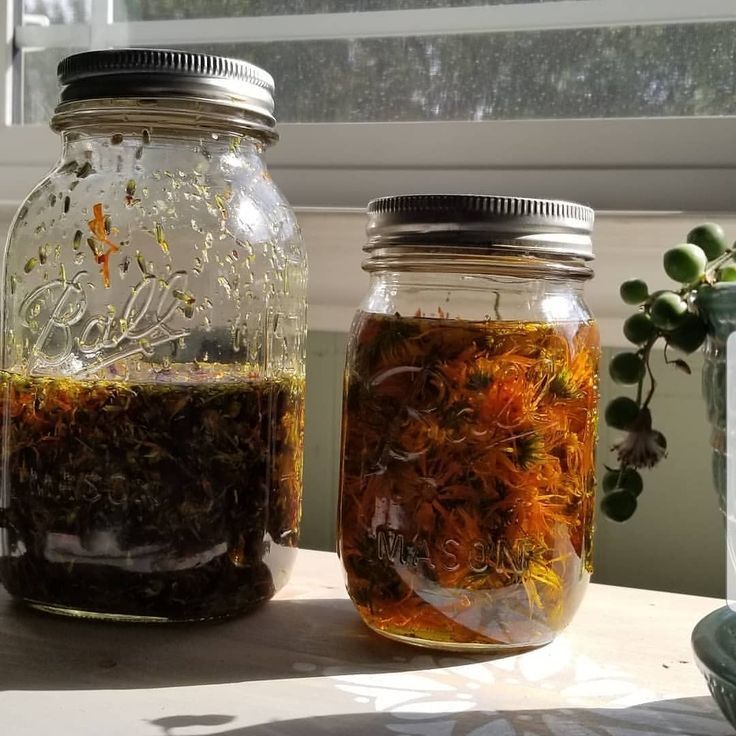
Choosing the right herbs for infusion is a critical step in creating potent skincare oils. Each herb possesses unique properties that contribute to the overall effectiveness of the infused oil. Understanding these properties can help in selecting the most suitable herbs for specific skin concerns and enhancing the benefits of your homemade skincare products.When selecting herbs for oil infusion, it is essential to consider their medicinal properties, aroma, and compatibility with various skin types.
Fresh and dried herbs both have their advantages and can be chosen based on availability and desired potency. Fresh herbs tend to have a higher water content, which can dilute the oil if not dried adequately, while dried herbs are more concentrated and can provide a longer shelf life.
Properties of Common Herbs for Skincare
The following herbs are widely recognized for their beneficial properties in skincare infusions:
- Lavender: Known for its calming and soothing properties, lavender essential oil can help alleviate skin irritations, reduce inflammation, and promote relaxation. Its antiseptic qualities make it effective for minor cuts and burns.
- Rosemary: This herb is renowned for its antioxidant-rich profile and stimulating properties. Rosemary can enhance circulation, making it excellent for improving skin tone and reducing signs of aging while also providing a fresh, uplifting scent.
- Calendula: Renowned for its healing properties, calendula is particularly effective for dry or sensitive skin. It has anti-inflammatory and antifungal properties that help soothe irritated skin and promote healing.
When considering fresh versus dried herbs, the following guidelines can assist in making an informed choice:
Guidelines for Choosing Fresh versus Dried Herbs
Both fresh and dried herbs have distinct characteristics that influence their use in oil infusions. The choice often depends on the infusion method, available resources, and specific project goals. Consider the following:
- Fresh Herbs: These are ideal for their vibrant aroma and high levels of volatile oils. However, they require careful handling to prevent spoilage. Fresh herbs should be used immediately after harvesting for maximum potency.
- Dried Herbs: Dried herbs contain concentrated active constituents and have a longer shelf life. They can be stored for extended periods without losing their medicinal properties, making them convenient for infusions.
Ultimately, the choice between fresh and dried herbs may also depend on the desired infusion time. Fresh herbs can impart their benefits more quickly, while dried herbs might require longer steeping times to extract their full potency.
“The efficacy of herb-infused oils significantly relies on the selection of herbs based on their unique properties and intended benefits.”
Understanding the distinctive qualities of popular herbs like lavender, rosemary, and calendula allows for informed decisions when crafting skincare oils. By carefully selecting herbs tailored to specific skin needs, one can create customized blends that enhance the overall effectiveness and enjoyment of the infused oils.
Methods of Infusing Oils
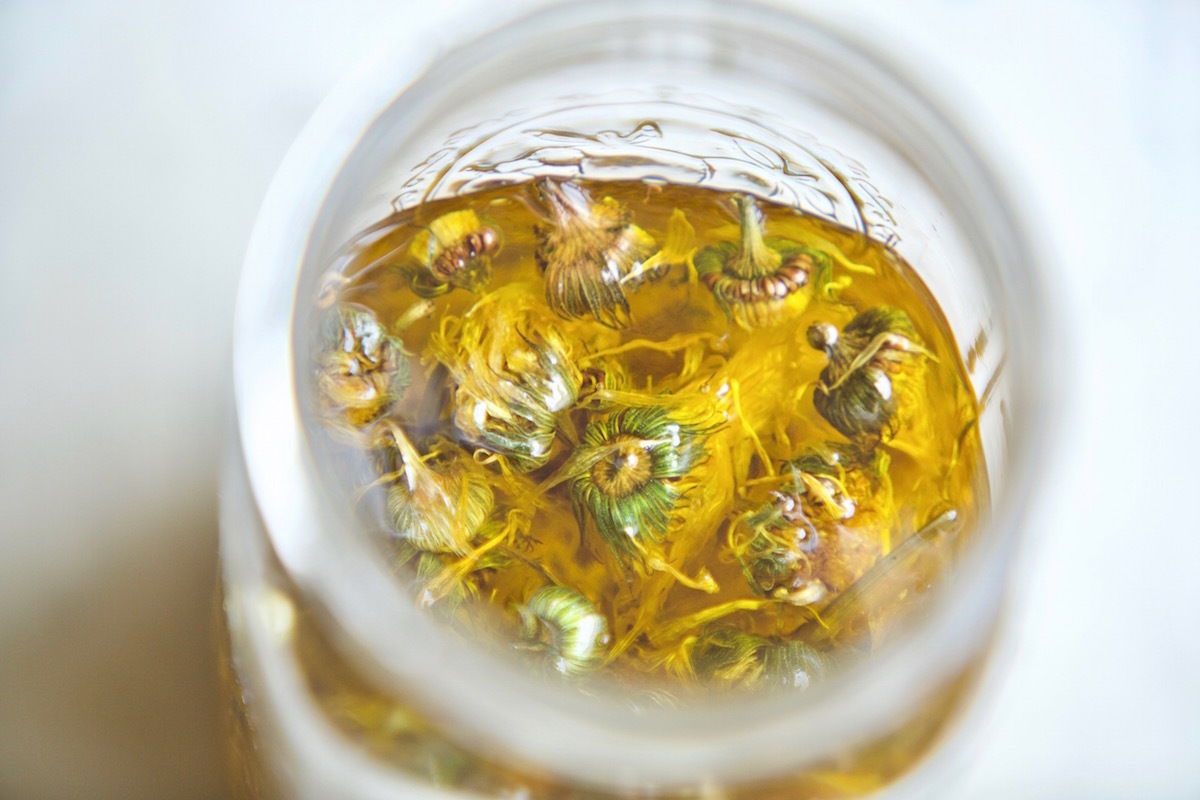
Infusing herbs into oils is a time-honored practice that enhances the oils with the healing and nourishing properties of the chosen herbs. Different infusion methods can yield varying results in terms of potency, flavor, and the time required for the infusion. Understanding these methods is crucial for achieving the desired outcome in skincare formulations.The following sections Artikel the three primary methods of infusing oils: cold infusion, heat infusion, and solar infusion.
Each method has its unique characteristics, benefits, and infusion times, which will be detailed below.
Cold Infusion
Cold infusion is a gentle method that allows the natural properties of herbs to be extracted without the application of heat. This method is particularly suited for delicate herbs that may lose their potency when heated.To prepare a cold infusion, follow these steps:
1. Select the Herbs
Choose dried herbs to avoid moisture that can lead to spoilage.
2. Combine Ingredients
Place the herbs in a clean glass jar and cover them with a carrier oil of your choice, ensuring the herbs are completely submerged.
3. Seal and Store
Seal the jar tightly to minimize exposure to air and store it in a cool, dark place.
4. Infusion Time
Allow the mixture to infuse for 4 to 6 weeks, shaking it gently every few days to encourage the extraction of properties.The expected potency from cold infusion is often lower than that of heat infusion but provides a pure extraction free from heat-related degradation.
Heat Infusion
Heat infusion is a faster method that utilizes gentle heat to expedite the extraction process. It is ideal for those seeking quicker results and works well with robust herbs.To execute a heat infusion, follow these steps:
1. Prepare the Herbs
Use dried herbs and chop them finely to maximize surface area.
2. Combine Ingredients
Place the herbs and carrier oil in a double boiler or a slow cooker.
3. Heat the Mixture
Heat the mixture on low heat for 2 to 6 hours, ensuring the temperature does not exceed 120°F (49°C) to preserve the herb’s properties.
4. Strain the Oil
Once the infusion is complete, strain the oil through a fine mesh or cheesecloth into a clean jar.The potency of heat-infused oils can be significantly higher than cold infusion, as the application of heat accelerates extraction.
Solar Infusion
Solar infusion harnesses the sun’s energy to extract the beneficial properties of herbs, making it an eco-friendly option. This method is simple and effective, particularly in warm climates.To create a solar infusion, follow these steps:
1. Select the Herbs
Use dried herbs and place them in a glass jar.
2. Combine Ingredients
Cover the herbs with carrier oil, ensuring they are fully submerged.
3. Seal and Position
Seal the jar and position it in a sunny spot for about 2 to 6 weeks, depending on the intensity of sunlight exposure.
4. Shake Occasionally
Gently shake the jar every few days to mix the contents and enhance extraction.Solar-infused oils typically achieve a moderate level of potency, benefiting from the gentle, natural warmth of sunlight.
Comparison of Infusion Methods
Understanding the differences in infusion times and potency can help you select the best method for your needs. Below is a comparative overview of the three methods.
| Method | Infusion Time | Expected Potency |
|---|---|---|
| Cold Infusion | 4 to 6 weeks | Low to Moderate |
| Heat Infusion | 2 to 6 hours | High |
| Solar Infusion | 2 to 6 weeks | Moderate |
Utilizing the right infusion method allows you to create tailored herbal oils, maximizing the benefits for skincare while considering the properties of your chosen herbs.
Choosing the Right Oils
In the realm of herbal-infused oils, the selection of a suitable carrier oil is crucial for maximizing the benefits of the herbs while catering to various skin types and specific skincare needs. Carrier oils act as the base for herbal infusions, providing nourishment and hydration while allowing the active compounds from the herbs to be effectively transferred to the skin.When selecting a carrier oil for infusion, it is essential to consider the oil’s properties, such as its absorption rate, comedogenic rating, and skin compatibility.
Each oil possesses unique characteristics that can complement different skin types and address specific skincare issues. Understanding these properties enables one to make informed choices that enhance the overall efficacy of the infused oils.
Properties and Benefits of Common Carrier Oils
The following table summarizes the properties and benefits of widely used carrier oils, including jojoba, almond, and coconut oil. This comparison aids in selecting the appropriate oil based on individual skin considerations.
| Carrier Oil | Properties | Benefits | Best For |
|---|---|---|---|
| Jojoba Oil | Lightweight, non-greasy, closely resembles sebum | Moisturizes, balances oil production, soothes irritation | All skin types, especially oily and acne-prone skin |
| Almond Oil | Rich in vitamins A, E, and fatty acids, nourishing | Hydrates, improves complexion, reduces dark circles | Dry and sensitive skin types |
| Coconut Oil | Rich in medium-chain fatty acids, solid at room temperature | Antibacterial, provides deep moisture, enhances glow | Dry and normal skin, suitable for body care |
Selecting the right oil based on skin types and specific needs is fundamental for maximizing the benefits of herbal-infused oils. For instance, jojoba oil’s sebum-like properties make it an excellent choice for oily skin, while almond oil’s rich nutrients render it ideal for dry or sensitive skin. Understanding these distinctions helps create personalized skincare solutions that address individual concerns effectively.
Safety and Precautions
When crafting herb-infused oils, ensuring the safety and effectiveness of your final product is paramount. Understanding potential allergens, storage techniques, and the importance of conducting patch tests can significantly enhance the benefits of your infusions while minimizing risk. This section provides essential guidelines to ensure a safe and enjoyable experience with herb-infused oils.
Potential Allergens or Irritants in Common Herbs
Certain herbs may cause allergic reactions or irritations in sensitive individuals. Awareness of these potential allergens is crucial when selecting herbs for infusion. Below is a list of common herbs along with their associated risks:
- Basil: Rarely causes allergic reactions, but may irritate skin in high concentrations.
- Chamomile: May cause allergic reactions, especially in individuals sensitive to ragweed.
- Lavender: Although soothing, it can cause skin irritation or allergic reactions in some people.
- Peppermint: Can be irritating to sensitive skin or mucous membranes.
- Rosemary: Generally safe, but excessive use may lead to skin irritation.
- Thyme: Contains compounds that may be irritating; use cautiously on sensitive skin.
It is advisable to research each herb thoroughly and consult with a healthcare professional if uncertain about potential sensitivities.
Proper Storage Techniques for Infused Oils
To maintain the quality and potency of your herb-infused oils, proper storage is essential. This not only extends the shelf life but also preserves the therapeutic benefits of the infused herbs. Consider the following storage guidelines:
- Dark Glass Containers: Use amber or cobalt blue glass bottles to protect oils from light degradation.
- Cool, Dark Place: Store infused oils in a cool, dark location, away from direct sunlight and heat sources.
- Airtight Seals: Ensure containers are sealed tightly to prevent oxidation and contamination.
- Labeling: Clearly label each container with the infusion date and the herbs used to track freshness.
- Refrigeration: For longer-lasting oils, consider refrigerating them; however, allow them to reach room temperature before use.
Following these techniques will help in retaining the quality and efficacy of your oils for an extended period.
Conducting a Patch Test for New Infused Oils
Before using any new herb-infused oil on a larger area of the skin, performing a patch test is highly recommended to assess any allergic reactions or sensitivities. Here is a detailed guide to effectively conduct a patch test:
“Testing for skin reactions is crucial to avoid adverse effects from new products.”
- Select a Small Area: Choose a small and discreet area on your forearm or behind your ear.
- Apply the Oil: Use a cotton swab or your fingertip to apply a small amount of the infused oil to the chosen area.
- Wait 24-48 Hours: Allow the oil to remain on the skin and avoid washing the area during this time.
- Observe for Reactions: After 24-48 hours, check for any signs of redness, itching, or irritation.
- Evaluate the Results: If no adverse reactions occur, the oil is likely safe for broader use. If irritation develops, discontinue use immediately.
This careful approach ensures that you enjoy the benefits of your herb-infused oils while prioritizing skin health and safety.
Application in Skincare Routine
Integrating herb-infused oils into your skincare routine can significantly enhance the effectiveness of your products while offering the added benefits of natural ingredients. This section will Artikel a simple skincare routine that incorporates these oils, methods for blending them into existing formulations, and best practices for application to maximize their benefits.
Designing a Skincare Routine Integrating Herb-Infused Oils
Creating a skincare routine that utilizes herb-infused oils involves a few essential steps to ensure that you are reaping the maximum benefits. The following is a framework for a basic skincare routine:
1. Cleansing
Start with a gentle cleanser suitable for your skin type to remove impurities.
2. Toning
Use an alcohol-free toner to balance the skin’s pH. Consider adding a few drops of herb-infused oil to your toner.
3. Serum
Apply a serum that complements your skin’s needs. For added nourishment, incorporate herb-infused oil into your serum by mixing 2-3 drops into your usual application.
4. Moisturizing
Choose a moisturizer that suits your skin type. Infuse it with herb oil by combining a few drops into your moisturizer before application.
5. Sun Protection
Finally, always finish your routine with a broad-spectrum sunscreen during the day.This structure allows the herb-infused oils to enhance each step of your skincare regime, maximizing their beneficial properties.
Incorporating Infused Oils into Existing Products
Blending herb-infused oils into creams or lotions can provide additional nourishment and targeted skincare solutions. Here are methods to effectively incorporate these oils into your existing products:
Mixing with Creams
For creams, start by placing a small amount in your palm and add 2-4 drops of the herb-infused oil. Mix thoroughly before applying to ensure even distribution.
Enhancing Lotions
Similar to creams, you can enhance lotions by mixing 1-2 drops into your palm before application. Ensure to emulsify the lotion and oil well to avoid separation.
Custom Blends
Create a custom skincare blend by mixing various herb-infused oils tailored to your specific skin needs. For example, combining chamomile-infused oil for calming effects with rosehip oil for hydration can provide a multifunctional product.By incorporating herb-infused oils into your existing skincare products, you can personalize your routine to meet your skin’s unique requirements.
Best Practices for Applying Herb-Infused Oils
To maximize the benefits of herb-infused oils, it is crucial to adhere to best practices during application. Consider the following guidelines:
Patch Testing
Always perform a patch test on a small area of skin before using a new herb-infused oil to avoid allergic reactions.
Application Method
For maximum absorption, apply herb-infused oils to slightly damp skin. This helps lock in moisture and enhances penetration.
Massage Technique
Utilize gentle, upward strokes when applying oils to promote circulation. Massaging the oil into the skin can enhance its effectiveness and provide a soothing experience.
Frequency of Use
Incorporate the oils into your routine according to your skin’s needs. For dry skin, daily use may be beneficial, while oily skin types might benefit from using them a few times a week.By following these best practices, you can ensure that your use of herb-infused oils in your skincare routine is both effective and pleasurable.
DIY Recipes for Herb-Infused Oils
Creating your own herb-infused oils is a rewarding endeavor that allows you to harness the natural healing properties of herbs for skincare. By infusing oils with specific herbs, you can tailor your skincare routine to address various skin concerns effectively. This section presents a collection of simple DIY recipes categorized by skin type or concern, ensuring easy reference for your skincare needs.
Herb-Infused Oils for Dry Skin
Dry skin requires nourishing and moisturizing oils that can help restore hydration. Below are two recipes that utilize herbs known for their hydrating properties.
- Calendula-Infused Oil
Ingredients: 1 cup of carrier oil (e.g., sweet almond oil), ¼ cup of dried calendula flowers.
Instructions: Combine the calendula flowers and carrier oil in a clean glass jar. Seal tightly and place the jar in a sunny spot for 2-3 weeks, shaking it gently every few days. Strain the oil through a fine mesh sieve or cheesecloth and store it in a dark glass bottle.Calendula is known for its soothing and moisturizing effects on dry skin.
- Chamomile-Infused Oil
Ingredients: 1 cup of carrier oil (e.g., olive oil), ¼ cup of dried chamomile flowers.
Instructions: Mix the chamomile flowers with the carrier oil in a sterilized jar. Place the jar in a warm area for 2-4 weeks, shaking it occasionally. Strain and bottle the oil. Chamomile has anti-inflammatory properties and brings hydration to dry skin.
Herb-Infused Oils for Oily Skin
For oily skin, using herbs that have astringent and balancing properties is essential. The following recipes are ideal for this skin type.
- Rosemary-Infused Oil
Ingredients: 1 cup of carrier oil (e.g., grapeseed oil), ¼ cup of dried rosemary leaves.
Instructions: Combine rosemary leaves and carrier oil in a glass jar. Let it infuse in a warm, dark place for 2-3 weeks, shaking occasionally. Strain and store the oil. Rosemary is known for its ability to balance oil production and can help prevent acne. - Thyme-Infused Oil
Ingredients: 1 cup of carrier oil (e.g., jojoba oil), ¼ cup of dried thyme leaves.
Instructions: Mix thyme leaves with the carrier oil in a jar. Allow the mixture to infuse for 2-4 weeks in a warm spot, shaking frequently. Strain and store the oil. Thyme has antibacterial properties, making it beneficial for oily and acne-prone skin.
Herb-Infused Oils for Sensitive Skin
Sensitive skin requires gentle, calming formulations. The following recipes feature herbs known for their soothing properties.
- Lavender-Infused Oil
Ingredients: 1 cup of carrier oil (e.g., coconut oil), ¼ cup of dried lavender buds.
Instructions: Combine lavender buds and carrier oil in a clean jar. Place it in a sunny location for 2-4 weeks, shaking occasionally. Strain the oil and store in a dark bottle. Lavender is renowned for its calming and anti-inflammatory effects on sensitive skin. - Green Tea-Infused Oil
Ingredients: 1 cup of carrier oil (e.g., sunflower oil), ¼ cup of dried green tea leaves.
Instructions: Mix green tea leaves with the carrier oil in a jar. Let it infuse for 3-5 weeks in a warm environment, shaking regularly. Strain and bottle the oil. Green tea is rich in antioxidants, aiding in skin recovery and reducing irritation.
Herb-Infused Oils for Aging Skin
Aging skin benefits from herbs that promote elasticity and rejuvenation. Below are effective recipes to consider.
- Rose-Infused Oil
Ingredients: 1 cup of carrier oil (e.g., argan oil), ¼ cup of dried rose petals.
Instructions: Combine rose petals with the carrier oil in a glass jar. Infuse in a warm, dark place for 2-4 weeks, shaking the jar occasionally. Strain and store the oil. Roses are known for their anti-aging properties and ability to improve skin texture. - Carrot Seed-Infused Oil
Ingredients: 1 cup of carrier oil (e.g., hemp seed oil), ¼ cup of dried carrot seeds.
Instructions: Mix carrot seeds with the carrier oil in a jar. Allow it to infuse in a warm area for 4 weeks, shaking regularly. Strain and store the oil. Carrot seed oil is praised for its regenerative properties and ability to enhance skin elasticity.
“Herb-infused oils not only enhance your skincare routine but also provide therapeutic benefits tailored to your skin’s needs.”
Enhancing Your Infused Oils

Infusing oils with herbs is a delightful process that can significantly elevate your skincare routine. To maximize the benefits of your herb-infused oils, incorporating additional ingredients can enhance their effects, creating tailored solutions that cater specifically to your skin’s needs. This section will delve into various methods for enhancing these oils, as well as offer suggestions for perfect ingredient combinations.Blending various herbs and oils not only allows for personalized skincare solutions but also harnesses the unique properties of each ingredient.
Combining oils with complementary benefits can lead to a synergistic effect, amplifying the overall efficacy of your skincare regimen. It is essential to consider the properties of different ingredients to create optimal blends that address individual skin concerns.
Ingredient Combinations and Their Benefits
To provide a more comprehensive understanding of how to enhance your infused oils, the following table Artikels common combinations of herbs and oils, alongside their respective skincare benefits. These pairings can serve as a foundational guide for creating your personalized blends.
| Herb | Oil | Skincare Benefits |
|---|---|---|
| Lavender | Jojoba Oil | Calming, anti-inflammatory properties; ideal for sensitive skin. |
| Calendula | Sweet Almond Oil | Soothing, helps with healing and reducing irritation. |
| Rosemary | Coconut Oil | Antioxidant-rich, promotes circulation and revitalizes skin. |
| Chamomile | Olive Oil | Anti-inflammatory, great for dry and irritated skin. |
| Nettle | Argan Oil | Rich in vitamins, supports healthy skin and may help with acne. |
Incorporating essential oils into your herb-infused oils is another way to enhance their effects. Essential oils such as tea tree, frankincense, and geranium can provide additional antibacterial, anti-aging, and moisturizing properties. However, it is important to use essential oils sparingly and to conduct a patch test before applying them to larger skin areas to avoid adverse reactions.
“Combining the right herbs and oils can create a powerful synergy, enhancing the overall results of your skincare routine.”
By experimenting with different combinations and ratios, you can customize your herb-infused oils to target specific skin concerns effectively. The potential for creativity in this process allows for a truly personalized skincare experience that not only nourishes the skin but also brings joy in crafting your own natural remedies.
Ending Remarks
In conclusion, mastering the art of infusing herbs into oils opens up a world of possibilities for enhancing your skincare experience. By carefully selecting the right herbs and oils, and following safe practices, you can create potent treatments that nourish and rejuvenate your skin. Embrace the natural beauty that these infusions provide, and let your skincare routine reflect your individuality and commitment to wellness.