How to Make a Soothing After-Sun Aloe Vera Spray is an essential guide for those seeking natural relief from sunburn discomfort. Aloe vera, revered for its historical applications in skincare, offers remarkable soothing properties that promote skin healing and rejuvenation. This guide will explore the myriad benefits of aloe vera, the ingredients required for creating a soothing spray, and practical steps to enhance your sun care routine with this remarkable plant.
From its nutrient-rich composition to its effectiveness as a natural remedy, aloe vera stands out as a favored choice for addressing sunburn. With this guide, readers will discover not only how to create their own aloe vera spray but also the importance of embracing natural solutions for skin care.
Introduction to Aloe Vera and Its Benefits
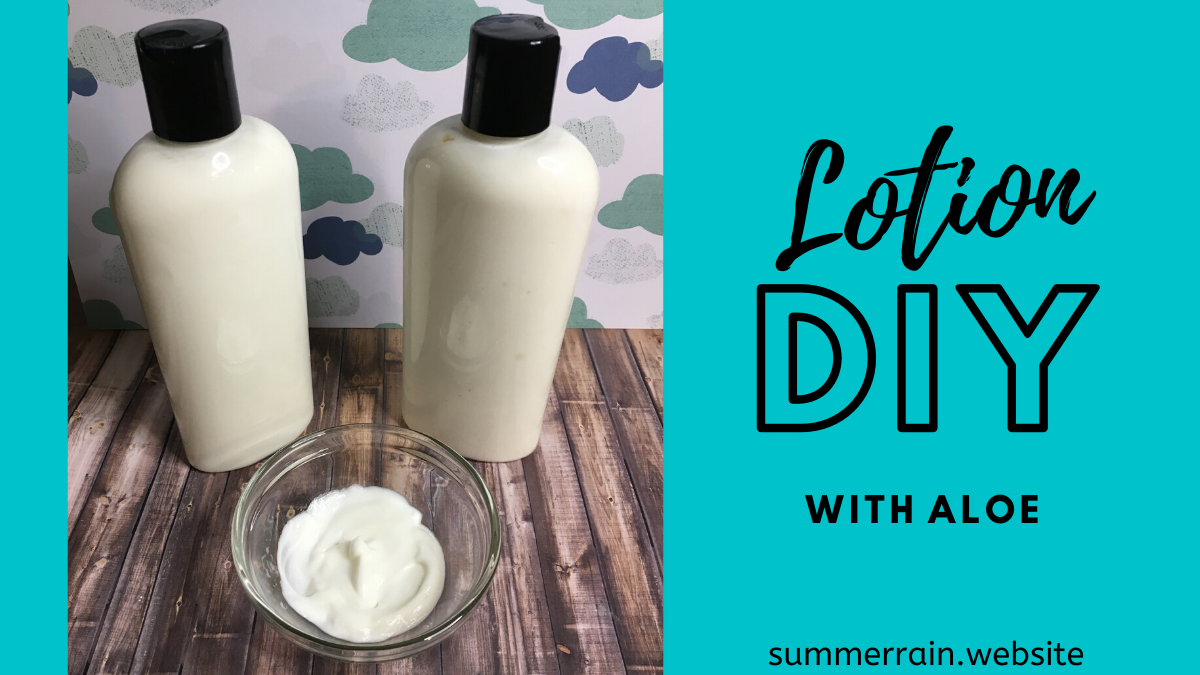
Aloe vera is a succulent plant renowned for its remarkable healing properties, particularly in the realm of skincare. Historically, aloe vera has been utilized for thousands of years, dating back to ancient civilizations such as the Egyptians, Greeks, and Chinese. Its soothing characteristics make it a favored natural remedy for various skin ailments, especially those resulting from sun exposure.The primary components of aloe vera contribute significantly to its effectiveness as a skin healer.
Aloe vera contains vitamins, minerals, amino acids, and enzymes that work synergistically to promote skin health. Key nutrients include vitamins A, C, and E, which are known for their antioxidant properties, and compounds like aloin and acemannan that facilitate cellular regeneration and reduce inflammation. These properties make aloe vera particularly beneficial for soothing irritated skin, aiding in the recovery from sunburn and other forms of skin damage.
Natural Remedies for Sunburn Relief
Utilizing natural remedies such as aloe vera for sunburn relief offers a safe and effective alternative to commercial products that may contain harsh chemicals. The application of aloe vera not only alleviates pain but also provides hydration, which is crucial for recovery. Here are some key advantages of using aloe vera in sunburn treatment:
-
Anti-inflammatory properties:
Aloe vera helps in reducing swelling and redness, making it an ideal choice for soothing sunburnt skin.
-
Moisturizing effects:
The gel-like consistency of aloe vera deeply hydrates the skin, promoting healing and alleviating dryness associated with sunburn.
-
Rich in antioxidants:
The antioxidants present in aloe vera protect the skin from further damage by neutralizing free radicals that can exacerbate irritation.
-
Promotes wound healing:
Aloe vera accelerates the healing process by increasing blood circulation to the affected area and stimulating new cell growth.
-
Cooling sensation:
The natural cooling effect of aloe vera provides immediate relief to the burning sensation experienced during sunburn.
Incorporating aloe vera into your skincare routine, especially following sun exposure, can significantly enhance skin recovery and overall health. By choosing natural remedies like aloe vera, you not only promote healing but also take a step toward nurturing your skin with gentler, healthier alternatives.
Ingredients for a Soothing After-Sun Aloe Vera Spray
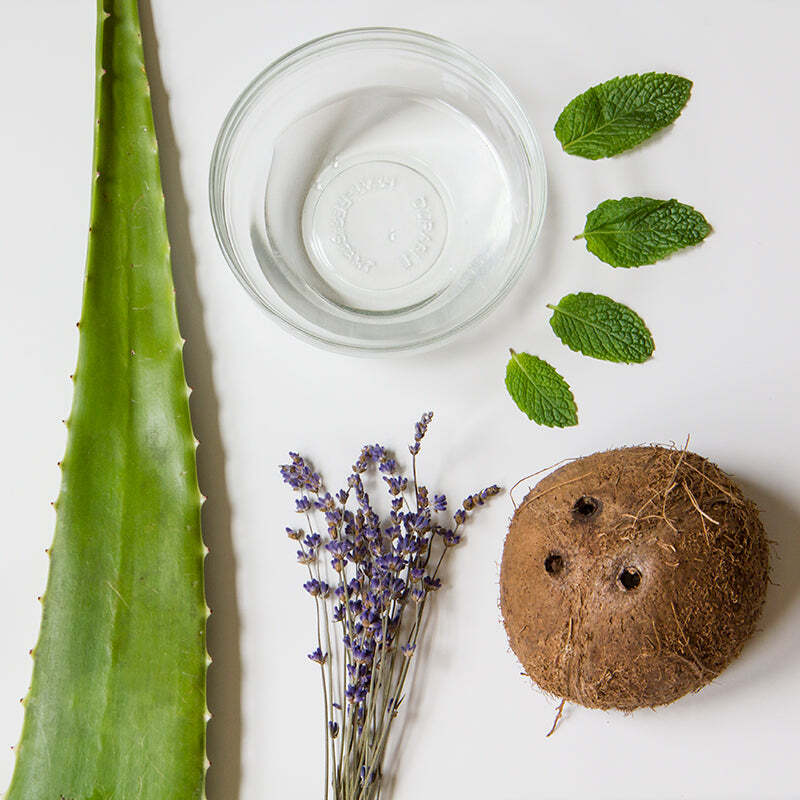
Creating a soothing after-sun aloe vera spray involves selecting high-quality ingredients that work synergistically to calm and hydrate the skin after sun exposure. Each ingredient serves a specific purpose, ensuring that the final product is effective and gentle.The essential ingredients for this formulation include aloe vera gel, distilled water, essential oils, and vitamin E oil. Understanding the role of each ingredient is crucial for optimizing the benefits of the spray.
Essential Ingredients and Their Roles
The following list Artikels the primary ingredients used in a soothing after-sun aloe vera spray, along with their specific functions:
- Aloe Vera Gel: This is the cornerstone of the spray, known for its cooling and hydrating properties. Aloe vera contains vitamins, minerals, and antioxidants that help to soothe sunburns and promote skin healing.
- Distilled Water: Distilled water serves as the base of the spray, providing hydration while ensuring that the mixture remains free from impurities and contaminants. It helps to dilute the aloe vera gel for a more spray-friendly consistency.
- Essential Oils (such as Lavender or Chamomile): Essential oils are added for their aromatic qualities and additional skin benefits. Lavender essential oil is renowned for its calming properties and may help reduce inflammation, whereas chamomile oil is known for its soothing effects on irritated skin.
- Vitamin E Oil: This ingredient acts as a powerful antioxidant, helping to protect the skin from damage caused by free radicals. It also promotes healthy skin regeneration and can enhance the moisturizing effect of the spray.
When sourcing ingredients, it is essential to choose high-quality aloe vera gel and other components. Look for products that are organic and free from additives or preservatives to maximize the skin-soothing benefits. Fresh aloe vera leaves can be used as an alternative; simply extract the gel directly from the leaf. For essential oils, opt for pure, therapeutic-grade options from reputable suppliers to ensure effectiveness and safety.
Always check product labels and reviews to confirm quality, especially for those with sensitive skin.
Step-by-Step Guide to Making the Spray
Creating a soothing after-sun aloe vera spray is a straightforward process that brings together the healing properties of aloe vera with other beneficial ingredients. This spray provides relief from sun exposure, hydrates the skin, and helps to alleviate discomfort. The following guide Artikels the complete procedure for preparing this refreshing spray, ensuring that each step is clear and easy to follow.To assist in your preparation, a simple table detailing the measurements for each ingredient is provided below.
This will help ensure accuracy in your formulation, enhancing the effectiveness of the final product.
| Ingredient | Measurement |
|---|---|
| Aloe Vera Gel | 1/2 cup |
| Distilled Water | 1/2 cup |
| Lavender Essential Oil | 10 drops |
| Vitamin E Oil | 1 teaspoon |
| Witch Hazel | 2 tablespoons |
Preparation Process
The preparation process for the soothing after-sun aloe vera spray involves several key steps that must be followed to ensure the efficacy of the blend. Each step is designed to maximize the benefits of the ingredients used.
1. Gather All Ingredients and Supplies
Before beginning, ensure that you have all necessary ingredients and tools ready. This includes a mixing bowl, a whisk or spoon, a funnel, and a spray bottle for storage.
2. Mix the Aloe Vera Gel and Distilled Water
In a mixing bowl, combine the aloe vera gel and distilled water. Use a whisk or spoon to thoroughly blend these two ingredients until you achieve a smooth consistency. This forms the base of your spray.
3. Incorporate Essential Oils and Other Ingredients
Add the lavender essential oil, vitamin E oil, and witch hazel to the mixture. Each of these ingredients brings additional soothing properties, enhancing the spray’s effectiveness in calming sun-exposed skin. Blend well after adding each ingredient to ensure a homogeneous mixture.
4. Transfer the Mixture into a Spray Bottle
Using a funnel, carefully pour the blended mixture into your spray bottle. This step is crucial to avoid spills and ensure that all the mixture is transferred without waste.
5. Store Properly
Seal the spray bottle tightly and store it in a cool, dark place, such as a refrigerator. Proper storage helps to maintain the potency of the ingredients, ensuring that the spray remains effective over time.
6. Shake Before Use
Before each application, give the spray bottle a gentle shake. This ensures that the ingredients are well-mixed, as natural separations may occur during storage.
Following these steps will enable you to create a refreshing and soothing after-sun aloe vera spray that provides relief and nourishment to sun-exposed skin.
Application Techniques for Maximum Effect
Using an aloe vera spray after sun exposure can significantly alleviate discomfort and promote skin healing. To maximize its benefits, understanding the best techniques for applying the spray is essential. Proper application not only enhances its soothing properties but also ensures that the skin receives the full range of benefits associated with aloe vera.
Methods for Applying Aloe Vera Spray on Sunburned Skin
When applying aloe vera spray to sunburned skin, it’s important to follow specific techniques to ensure effective results. The following methods can enhance the soothing effects of the spray:
- Gentle Spritzing: Hold the spray bottle approximately 6 to 8 inches away from the skin. Gently spritz the affected areas, allowing the mist to cover the skin evenly without direct pressure. This technique minimizes irritation while ensuring adequate coverage.
- Patting Technique: After spraying, use clean hands or a soft cloth to lightly pat the areas instead of rubbing. This ensures better absorption of aloe vera while avoiding additional irritation to already inflamed skin.
- Layering Application: For particularly sunburned areas, consider applying multiple fine layers of spray rather than one heavy application. This allows the skin to absorb the aloe vera gradually, enhancing its cooling and soothing effect.
Optimal Times for Application
Timing is crucial when applying aloe vera spray to achieve maximum soothing effects. The following points Artikel the best times to apply the spray:
- Immediately After Sun Exposure: Apply the spray as soon as possible after coming indoors. This helps to cool the skin and reduce inflammation before it has a chance to worsen.
- Before Bedtime: Applying the aloe vera spray before sleeping allows the skin to benefit from its healing properties overnight, promoting skin recovery while also providing hydration.
- Throughout the Day: Reapply the spray several times during the day as needed. This helps maintain moisture levels and keeps the skin feeling comfortable, especially if the sunburn is severe.
Importance of Patch Testing Before Widespread Use
Before applying the aloe vera spray extensively, conducting a patch test is vital to ensure that the skin will not react adversely. This precaution prevents potential allergic reactions or irritation. To perform a patch test, follow these steps:
- Choose a small area of skin, preferably on the inner wrist or forearm.
- Apply a small amount of the aloe vera spray to the area.
- Wait for 24 hours and monitor for any adverse reactions such as redness, itching, or irritation.
Conducting a patch test is a simple yet effective way to confirm skin compatibility, especially for sensitive or sunburned skin.
Additional Ingredients for Enhanced Benefits
Incorporating additional ingredients into your after-sun aloe vera spray can significantly enhance its soothing and healing effects. These optional additives can provide extra nourishment, hydration, and aromatic qualities, allowing for a more personalized and effective skincare experience. By understanding the properties of various ingredients, you can create a custom blend that suits your specific needs.Essential oils are among the most popular additives for enhancing aloe vera sprays.
They can offer additional therapeutic benefits, such as anti-inflammatory properties, skin healing capabilities, or simply uplifting scents. When choosing essential oils, it is crucial to select those that complement aloe vera’s natural soothing effects, while also ensuring they are safe for topical application.
Popular Essential Oils and Their Benefits
The following essential oils can be effectively combined with aloe vera to provide specific benefits:
- Lavender Essential Oil: Known for its calming and soothing properties, lavender oil can help reduce redness and irritation, making it an excellent choice for sunburned skin.
- Tea Tree Essential Oil: With its antibacterial and anti-inflammatory properties, tea tree oil can aid in healing and prevent infection, particularly for broken skin.
- Chamomile Essential Oil: Chamomile is renowned for its anti-inflammatory effects and can help alleviate discomfort caused by sun exposure.
- Rosemary Essential Oil: This oil is known to promote circulation and can assist in skin regeneration, which is beneficial for repair after sun damage.
- Peppermint Essential Oil: The cooling effect of peppermint oil can provide immediate relief from sunburn discomfort, making it a refreshing addition to your spray.
Each essential oil imparts unique properties and scents, allowing users to tailor their after-sun spray to their personal preferences. When blending essential oils, it is important to dilute them properly. A common guideline is to use a few drops (typically 3-5) per ounce of aloe vera base to ensure safety and effectiveness.
Recipe Ideas for Customized Aloe Vera Sprays
Creating customized aloe vera sprays can result in a variety of benefits and scents that cater to individual preferences. Here are several recipes that combine aloe vera with other beneficial ingredients for different needs:
- Calming Lavender Spray: Mix 1 cup of aloe vera gel with 5 drops of lavender essential oil and 1 teaspoon of vitamin E oil. Store in a spray bottle and apply as needed for sunburn relief.
- Cooling Peppermint Spray: Combine 1 cup of aloe vera gel with 5 drops of peppermint essential oil and 1 tablespoon of witch hazel. This refreshing spray can cool down and soothe irritated skin.
- Healing Tea Tree Spray: Mix 1 cup of aloe vera gel with 5 drops of tea tree essential oil and 1 tablespoon of aloe vera juice. This blend promotes healing and helps to prevent infection.
- Rejuvenating Chamomile Spray: Combine 1 cup of aloe vera gel with 5 drops of chamomile essential oil and 1 tablespoon of coconut oil for added hydration.
- Invigorating Rosemary Spray: Mix 1 cup of aloe vera gel with 5 drops of rosemary essential oil and 1 tablespoon of carrot seed oil, which can assist with skin regeneration.
These recipes illustrate how versatile aloe vera can be when combined with other beneficial ingredients. Each blend not only addresses skin healing needs but also adds pleasant scents and additional properties that promote overall skin health. Remember to patch test any new formulation prior to widespread use, ensuring compatibility with your skin type and sensitivity levels.
Storage and Shelf Life of Aloe Vera Spray
Proper storage and attention to the shelf life of your homemade Aloe Vera spray are crucial to maintain its effectiveness and safety. Understanding how to store the spray correctly will help you enjoy its soothing benefits for a longer duration. Homemade Aloe Vera spray can be sensitive to environmental factors, and thus, following some best practices will enhance its longevity.To ensure the freshness of your Aloe Vera spray, store it in a cool, dark place away from direct sunlight and heat sources.
Using an airtight container will protect the spray from contamination and help maintain its potency. Glass spray bottles are preferable over plastic ones, as glass is non-reactive and does not leach chemicals into the mixture.
Indicators for Discarding the Spray
It is essential to monitor the quality of your Aloe Vera spray regularly. The following table Artikels key indicators that suggest when it is time to discard the spray.
| Indicator | Description |
|---|---|
| Change in Color | If the spray darkens significantly or changes to an unusual color, it may indicate spoilage. |
| Unpleasant Odor | A foul or sour smell can signify bacterial growth, indicating the spray should be discarded. |
| Separation of Ingredients | Noticeable separation or curdling of the mixture is a sign that the spray is no longer stable. |
| Mold Growth | Any visible mold or unusual spots on the surface of the spray indicates contamination. |
To prolong the shelf life of your homemade Aloe Vera spray, consider incorporating preservation methods.
Preservation Methods for Enhanced Shelf Life
There are various techniques to enhance the longevity of your Aloe Vera spray. Using natural preservatives can significantly extend its shelf life without compromising safety.
1. Vitamin E Oil
This antioxidant not only nourishes the skin but also acts as a natural preservative, helping to prevent rancidity.
2. Essential Oils
Certain essential oils, like tea tree oil or lavender oil, possess antimicrobial properties that can inhibit the growth of bacteria and fungi.
3. Refrigeration
Storing the spray in the refrigerator can extend its freshness considerably, slowing down the degradation process.
4. Avoiding Contamination
Ensure you use clean hands or tools when applying the spray. This prevents the introduction of bacteria that can spoil the mixture.Incorporating these storage and preservation practices will help you maintain the quality and effectiveness of your soothing Aloe Vera after-sun spray for as long as possible.
Common Misconceptions About Aloe Vera and Sun Care
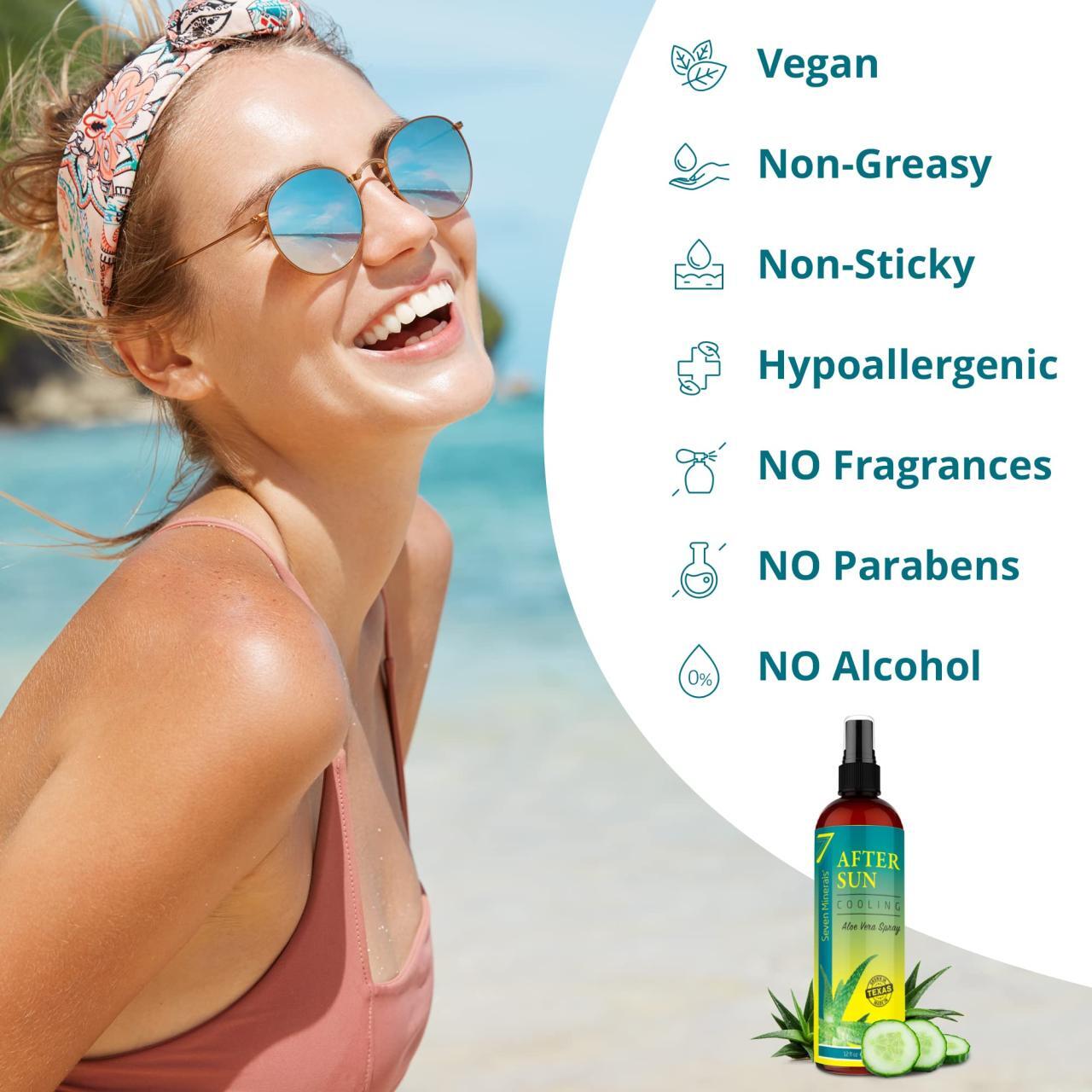
The use of aloe vera in sun care has been surrounded by various myths and misconceptions that can lead to misunderstanding its true benefits. While many people turn to aloe vera for soothing sunburn and protecting their skin post-sun exposure, it is essential to clarify these common myths with scientific insights and real-life experiences. By debunking these misconceptions, individuals can make more informed choices about their sun care routines.One prevalent misconception is that aloe vera can be used as a sole treatment for sunburn.
While aloe vera is indeed beneficial for sunburn relief, it should not replace other sun protection measures such as sunscreen. Studies indicate that aloe vera can help soothe and hydrate the skin, but it does not prevent sunburn or provide adequate UV protection on its own.
Scientific Research Supporting Aloe Vera for Sunburn Relief
Aloe vera has been the subject of various scientific studies, demonstrating its efficacy in treating sunburn. Research has shown that the gel extracted from aloe vera leaves contains compounds such as polysaccharides and glycoproteins, which possess anti-inflammatory and healing properties. These compounds contribute to skin repair and can alleviate discomfort associated with sunburn.A study published in the Journal of Dermatological Treatment revealed that participants applying aloe vera gel on sunburned skin experienced significantly reduced pain and inflammation compared to those who received no treatment.
User Experiences with Aloe Vera in Sun Care
User testimonials frequently highlight the soothing effects of aloe vera after sun exposure. Many individuals report significant relief from burning sensations and improved skin hydration when using aloe vera products. For instance, a user shared their experience of applying aloe vera gel after a long day at the beach. They noted that the immediate cooling sensation provided comfort, and over the next few days, their skin healed more quickly with less peeling compared to previous sunburns treated without aloe vera.
Furthermore, another user emphasized the importance of using pure aloe vera gel rather than commercial products with added fragrances or chemicals, which can irritate sunburned skin. In summary, while aloe vera is a remarkable aid for alleviating sunburn discomfort and promoting healing, it should be regarded as a complementary treatment rather than a standalone solution. By understanding the scientific backing and listening to user experiences, individuals can better appreciate the role of aloe vera in sun care.
Conclusion and Additional Resources
In concluding our discussion on the soothing properties of aloe vera, it is essential to recognize its pivotal role in skin care, particularly after sun exposure. This versatile plant not only alleviates discomfort but also enhances skin health through its rich nutrient profile. By incorporating aloe vera into your after-sun routine, you can experience significant relief and rejuvenation.For those looking to deepen their understanding of aloe vera and its applications in natural skincare, the following resources offer valuable insights and guidance.
These texts cover various aspects of aloe vera, including its medicinal properties and integration into holistic skin care practices.
Recommended Reading Materials
A well-rounded approach to skincare begins with knowledge. The following books and articles provide comprehensive information on aloe vera and natural skincare:
- The Aloe Vera Handbook by Dr. Christopher A. Soderstrom – This book presents a detailed exploration of the uses and benefits of aloe vera in various forms.
- Healing Herbs: A Beginner’s Guide by Tina Sams – This guide introduces various medicinal herbs, including aloe vera, and how to incorporate them into your wellness routine.
- Natural Skin Care: A Practical Guide by Susan Curtis – This resource offers recipes and techniques for creating effective homemade skincare products.
- Herbal Medicine: Biomolecular and Clinical Aspects edited by E. M. Witkowski – A comprehensive reference on the medicinal benefits of herbs, including aloe vera.
Integrating Aloe Vera into a Holistic Skin Care Routine
Incorporating aloe vera into your daily skin care regimen can enhance your skin’s overall health and appearance. Here are some tips on how to effectively use aloe vera alongside other natural products:
- Combine aloe vera gel with essential oils like lavender or tea tree for added antibacterial benefits.
- Use aloe vera as a base for homemade face masks by mixing it with honey and oatmeal for a hydrating treatment.
- Incorporate aloe vera into your moisturizing routine by layering it under your regular moisturizer for enhanced hydration.
- Apply aloe vera gel as an aftershave remedy to soothe irritation and promote healing.
Reputable Sources for Further Information
To explore more about homemade skincare, consider the following resources which provide credible information and further reading:
- American Botanical Council
-A nonprofit organization providing comprehensive information on herbal medicine. - The National Center for Complementary and Integrative Health
-Offers research insights and updates on herbal supplements, including aloe vera. - PubMed Central
-A free archive of biomedical and life sciences journal literature, where you can find studies on the efficacy of aloe vera. - The Herbal Society
-Provides educational resources and community support for herbal enthusiasts.
Utilizing these resources can significantly benefit your understanding and application of natural skincare practices, ensuring that you make informed decisions in caring for your skin with aloe vera.
Final Review
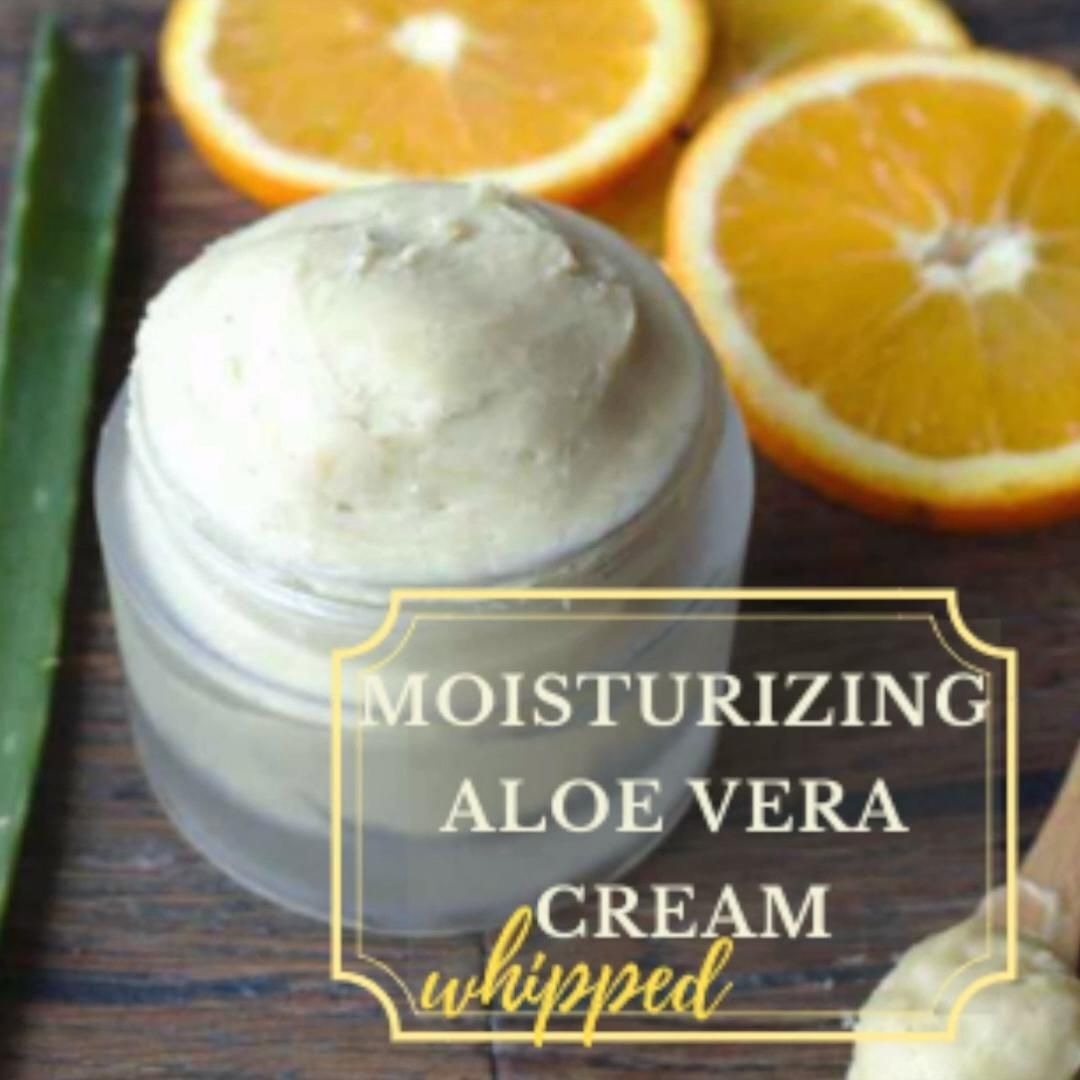
In conclusion, the journey of creating a soothing after-sun aloe vera spray is not only rewarding but also an investment in your skin’s health. By understanding the benefits of aloe vera and following the Artikeld steps, you can effectively relieve sunburn symptoms while harnessing the power of natural ingredients. We encourage you to explore further resources on aloe vera and consider incorporating this versatile plant into your holistic skincare regimen for lasting benefits.