As How to Make Foaming Bubble Bath without Harsh Sulfates takes center stage, this guide invites you into a realm of natural indulgence, presenting an opportunity to create a luxurious bathing experience while prioritizing both skin health and environmental responsibility.
In this comprehensive exploration, we will delve into the essential ingredients that facilitate the creation of a foaming bubble bath devoid of harsh chemicals, Artikel a step-by-step recipe for crafting your own soothing bath, and discuss the myriad benefits of opting for sulfate-free alternatives. Moreover, we will cover customization options, troubleshooting tips, and eco-friendly practices to enhance your bubble bath experience.
Ingredients for Foaming Bubble Bath

Creating a foaming bubble bath without harsh sulfates is not only beneficial for the skin but also a delightful experience. Natural ingredients can effectively produce bubbles while caring for your skin. The following section Artikels various natural ingredients that can be used in your bubble bath formulation, describing their properties and benefits.Natural foaming agents are essential for achieving that bubbly texture we all love in a bath.
These ingredients are not only gentle on the skin but also provide hydration and nourishment. Below is a list of suitable natural ingredients along with their properties.
Natural Ingredients and Their Properties
Understanding the properties of each ingredient is crucial for creating a successful foaming bubble bath. Here is a detailed list:
- Castile Soap
-Made from vegetable oils, Castile soap is a gentle cleanser that produces a rich foam and is biodegradable. It is effective for cleansing while being non-toxic and safe for sensitive skin. - Aloe Vera Gel
-Known for its soothing properties, aloe vera gel helps to hydrate the skin and can enhance the bubble formation when combined with other ingredients. - Coconut Milk
-This ingredient not only adds a luxurious creaminess but also contains fats that help to nourish and hydrate the skin, resulting in soft and supple skin post-bath. - Glycerin
-A natural humectant, glycerin draws moisture to the skin and helps to stabilize the foam, ensuring longer-lasting bubbles during your bath. - Essential Oils
-While not a foaming agent, essential oils such as lavender or eucalyptus can enhance the bathing experience with their aromatic properties, providing relaxation and therapeutic benefits.
The following table compares the effectiveness of these natural foaming agents in terms of their bubble production, skin benefits, and additional properties:
| Ingredient | Bubble Production | Skin Benefits | Additional Properties |
|---|---|---|---|
| Castile Soap | High | Gentle cleansing | Biodegradable |
| Aloe Vera Gel | Medium | Hydration and soothing | Improves skin elasticity |
| Coconut Milk | Medium | Nourishing and hydrating | Rich in fatty acids |
| Glycerin | High | Moisturizing | Stabilizes foam |
| Essential Oils | Low | Aromatherapy benefits | Variety of scents |
By combining these natural ingredients, you can create a luxurious foaming bubble bath that is both gentle on the skin and environmentally friendly, making your bathing experience enjoyable and soothing.
Step-by-Step Recipe
Creating your own foaming bubble bath can be a delightful experience that enhances your bathing routine while prioritizing skin safety. This recipe is designed to help you craft a luxurious bubble bath without the harsh sulfates found in many commercial products. By following the steps Artikeld below, you can achieve a frothy and soothing bubble bath that you and your family can enjoy.
To ensure that the ingredients are effectively combined and the desired outcome is achieved, it’s essential to follow a detailed mixing procedure. Accurate measuring and incorporating the components in the correct order will yield a satisfying bubble bath experience.
Detailed Procedure for Creating Foaming Bubble Bath
To successfully make a foaming bubble bath, adhere to the following steps:
1. Gather Your Ingredients
Ensure you have all the necessary ingredients at hand. This includes liquid Castile soap, coconut oil, essential oils, vegetable glycerin, and optionally, natural colorants.
2. Measure the Ingredients
Utilize measuring cups and spoons for precision. For a standard batch, adhere to the following measurements:
1 cup liquid Castile soap
½ cup coconut oil
½ cup vegetable glycerin
10-15 drops of essential oils
Optional
a few drops of natural colorant for aesthetics
3. Combine Liquid Ingredients
In a large mixing bowl, pour in the liquid Castile soap, coconut oil, and vegetable glycerin. Mix gently to avoid excessive foaming at this stage.
4. Add Essential Oils
Carefully add your chosen essential oils to the mixture, stirring them in slowly to distribute the fragrance evenly.
5. Optional Colorant
If you choose to add color, incorporate your natural colorant at this stage and mix until the color is uniform.
6. Transfer to Container
Once all ingredients are thoroughly combined, carefully pour the mixture into a clean, airtight container for storage. Label the container to avoid confusion with other bath products.
7. Usage
When ready to use, pour a generous amount under running water in your bathtub to create a foamy experience.
Throughout the process, consider the importance of safety when handling ingredients.
Safety Precautions
Taking safety measures while preparing your bubble bath is crucial to prevent accidents and ensure a pleasant experience. The following precautions should be observed:
- Always wear gloves to protect your hands from irritation caused by essential oils or glycerin.
- Keep all ingredients out of reach of children and pets.
- Ensure proper ventilation in your working area, especially if using strong essential oils.
- Conduct a patch test for any new ingredients on a small area of skin to check for allergies.
- Store all ingredients in clearly labeled containers to avoid mix-ups.
- Clean up spills immediately to prevent slipping hazards.
By adhering to these safety measures and following the detailed recipe, you can create a luxurious foaming bubble bath that allows you to relax and unwind, all while being gentle on your skin.
Customizing Your Bubble Bath

Creating a bubble bath experience that is uniquely yours can elevate relaxation and enjoyment. By incorporating various essential oils, fragrances, and safe colorants, you can transform a standard bubble bath into a luxurious, personalized spa experience. Understanding how to customize your bubble bath will not only enhance its therapeutic benefits but also allow you to indulge in your favorite scents and visuals.Personalizing your bubble bath begins with the choice of essential oils and fragrances.
These natural extracts not only contribute delightful aromas but also offer various skin and mood benefits. It’s essential to select high-quality, skin-safe essential oils to ensure both safety and efficacy. Additionally, safe colorants can enhance the visual appeal of your bubble bath without compromising skin health or environmental safety.
Essential Oils and Their Benefits
Incorporating essential oils into your bubble bath can provide a range of benefits, from relaxation to skin nourishment. Below is a table highlighting some popular essential oils, their uses, and benefits for both relaxation and skin care:
| Essential Oil | Benefits |
|---|---|
| Lavender | Promotes relaxation and helps reduce anxiety. Known for its calming properties, it is also beneficial for skin healing. |
| Tea Tree | Offers antibacterial and antifungal properties, making it ideal for skin care and acne treatment. |
| Eucalyptus | Helps clear respiratory pathways and soothes sore muscles. Its invigorating scent is perfect for rejuvenation. |
| Chamomile | Calms the mind and improves sleep quality. Additionally, it has anti-inflammatory properties beneficial for sensitive skin. |
| Ylang Ylang | Balances emotions and promotes relaxation. It can also improve skin texture and soothe irritation. |
Utilizing colorants can further enhance your bubble bath experience. Choosing skin-safe and environmentally friendly colorants is crucial. Natural options such as beet juice, turmeric powder, or spirulina can provide beautiful colors without harmful chemicals. These natural colorants not only add visual appeal but also align with a holistic approach to bath care.
“Personalizing your bubble bath with essential oils and natural colorants transforms a routine into a revitalizing ritual.”
Benefits of Sulfate-Free Bubble Baths
:max_bytes(150000):strip_icc()/GettyImages-172156536-95fa0708d64f4a15970cfd273a85e35d.jpg)
Sulfate-free bubble baths offer a range of benefits that extend beyond mere indulgence. These products are carefully formulated to maintain skin health while providing a luxurious bathing experience. By avoiding harsh sulfates often found in traditional bubble baths, users can enjoy a soothing and nourishing soak that caters to sensitive skin and promotes overall well-being.The advantages of using sulfate-free products are numerous, particularly regarding skin health.
Sulfates, commonly used for their lathering properties, can strip the skin of its natural oils, leading to dryness, irritation, and an imbalance in skin flora. In contrast, sulfate-free bubble baths maintain the skin’s moisture barrier, allowing for a hydrating and gentle cleansing experience. This is particularly beneficial for individuals with sensitive skin or conditions such as eczema and dermatitis, where harsh ingredients may exacerbate symptoms.
Environmental Impact of Sulfate-Free Bubble Baths
Sulfate-free bubble baths not only benefit personal health but also demonstrate a more sustainable approach to personal care. The production and disposal of sulfate-laden products often contribute to environmental pollution. Sulfates can harm aquatic ecosystems when they enter waterways during manufacturing and usage.By choosing sulfate-free options, consumers can support practices that prioritize both skin health and environmental sustainability. The reduction in harmful chemicals leads to a lesser impact on water quality and promotes the health of marine life.
As awareness of environmental issues grows, many brands are responding by creating eco-friendly formulations that align with consumer values.
Long-Term Effects on Skin and Overall Well-Being
Opting for sulfate-free products can result in significant long-term benefits for skin and overall health. Regular use of sulfate-free bubble baths can lead to improved skin hydration and reduced irritation over time. Users may notice a decrease in redness, itchiness, and overall discomfort associated with traditional bathing products.Additionally, the long-term choice of sulfate-free formulations contributes to mental well-being. Taking a relaxing bubble bath can serve as a self-care ritual that promotes relaxation and stress relief.
This soothing experience is enhanced when using products that are gentle on the skin, allowing individuals to fully enjoy their bath without worrying about adverse reactions. In summary, the integration of sulfate-free bubble baths into personal care routines offers a multitude of advantages, including enhanced skin health, reduced environmental impact, and lasting benefits for personal well-being.
Troubleshooting Common Issues
Creating a foaming bubble bath can be an enjoyable and relaxing activity, but like any DIY project, it can come with a few challenges. Understanding these common problems and knowing how to adjust your recipe can lead to a successful outcome tailored to your preferences and skin type. Below, we will explore common issues, solutions, and essential considerations to ensure your bubble bath experience is both delightful and beneficial.
Common Problems Encountered
Several issues can arise during the preparation of foaming bubble baths, often leading to unsatisfactory results. Recognizing these challenges can help you troubleshoot effectively.
- Insufficient Foam: If your bubble bath fails to produce ample foam, it may be due to an inadequate concentration of surfactants. Ensure you are using the right ratios and consider adding more gentle surfactants, such as cocamidopropyl betaine, which enhances foaming.
- Skin Irritation: Some surfactants may cause irritation, particularly for sensitive skin. If this occurs, consider substituting any harsh ingredients with milder options like vegetable-derived surfactants or reducing the overall concentration of additives.
- Short-lived Bubbles: Bubbles that dissipate quickly can be a result of hard water. To combat this, try adding a pinch of baking soda, which can soften the water and extend bubble longevity.
- Separation of Ingredients: If your bubble bath separates over time, it may be an indication of inadequate emulsification. Ensure that your oils and water-based ingredients are thoroughly combined, and consider adding an emulsifier such as liquid lecithin.
Adjusting the Recipe for Skin Types
Tailoring your bubble bath recipe to accommodate different skin types is crucial for a pleasant bathing experience.
- Dry Skin: If you have dry skin, incorporate moisturizing agents such as glycerin or aloe vera gel to enhance hydration and soothe the skin.
- Oily Skin: For oily skin types, focus on using lighter oils and avoid heavy additives that may clog pores. Essential oils like tea tree or lavender can provide additional cleansing benefits.
- Sensitive Skin: Individuals with sensitive skin should avoid synthetic fragrances and dyes. Instead, opt for natural essential oils at low concentrations, and consider performing a patch test before using new ingredients.
Frequently Asked Questions
Understanding the preparation and safety of foaming bubble baths is essential for a successful and enjoyable experience. Here are some commonly asked questions that provide valuable insights.
- Is it safe to use essential oils in bubble baths? When properly diluted, essential oils can be safe and beneficial. However, always research the safety of specific oils and consult your healthcare provider if you have concerns.
- Can I use regular dish soap as a bubble bath? While dish soap can create bubbles, it often contains harsh chemicals and fragrances that may irritate the skin. It is advisable to use surfactants specifically formulated for bath products.
- What if my bubbles are not fragrant enough? If the scent is weak, consider increasing the essential oil concentration or incorporating fragrance oils designed for bath use. Always ensure they are skin-safe.
- How long can I store my bubble bath? Homemade bubble bath can generally be stored for up to six months. Store it in a cool, dark place to prolong its shelf life, and always check for any changes in smell or consistency before use.
Storage and Shelf Life
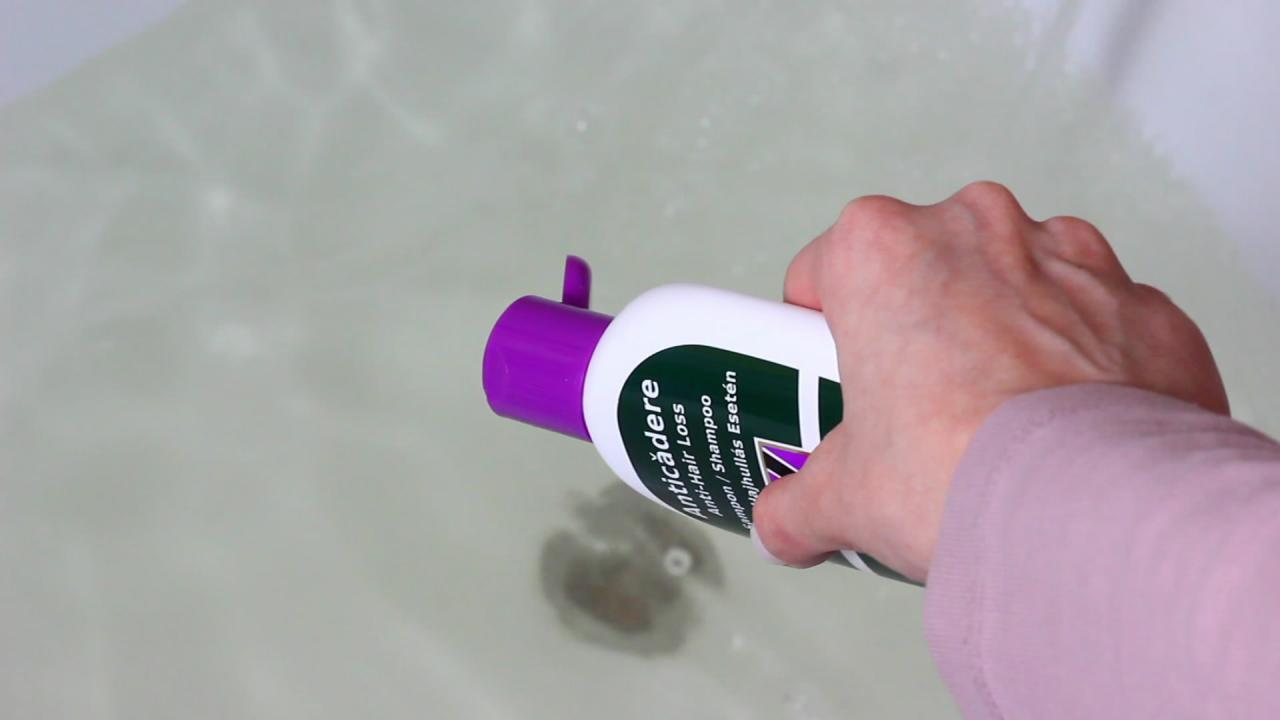
Proper storage of your homemade foaming bubble bath is crucial to ensuring its longevity and maintaining its effectiveness. By following specific guidelines, you can maximize the shelf life of your bubble bath, keeping it fresh and ready for use whenever you desire a relaxing soak.Homemade bubble baths typically do not contain preservatives, which means they have a shorter shelf life than commercial products.
To extend their usability, it is essential to store them in appropriate conditions. Below is a chart detailing various storage methods and their impact on the product’s longevity:
Storage Methods and Their Impact
The following storage methods illustrate how different approaches can affect the shelf life of your bubble bath:
| Storage Method | Impact on Longevity |
|---|---|
| Refrigeration | Extends shelf life up to 6 months; ideal for maintaining freshness. |
| Cool, Dark Place | Maintains quality for 3-4 months; avoid direct sunlight to prevent degradation. |
| Room Temperature | Shortens shelf life to 1-2 months; best for immediate use. |
| Freezing | Can preserve for up to a year; may alter texture upon thawing. |
It is vital to monitor your bubble bath for any signs of spoilage. Common indicators that the product has gone bad include:
- Unpleasant or off-putting odors, which indicate bacterial growth.
- Changes in texture, such as separation or clumping, suggesting instability.
- Discoloration or cloudiness that deviates from the original appearance.
- Presence of mold or visible contaminants on the surface.
Should you notice any of these signs, it is advisable to dispose of the bubble bath to ensure safety and effectiveness. Proper care and storage will ensure your homemade foaming bubble bath remains a delightful addition to your bathing routine for longer periods.
Eco-Friendly Practices

Incorporating eco-friendly practices into your bubble bath creation not only benefits the environment but also enhances your overall bathing experience. By sourcing sustainable ingredients and utilizing biodegradable packaging, you can make a significant impact on reducing waste and promoting a healthier planet. Here, we explore ways to achieve these practices in your homemade bubble bath.Sourcing ingredients sustainably is essential for minimizing environmental harm.
Opting for natural, organic ingredients that are derived from renewable resources helps ensure that your bubble bath is not only gentle on your skin but also on the earth. Supporting local suppliers and choosing ethically sourced materials can reduce your carbon footprint while promoting sustainable agricultural practices.
Importance of Biodegradable Packaging
The choice of packaging has a profound impact on the environment. Traditional plastic containers contribute significantly to pollution and landfill waste. Using biodegradable packaging for your homemade bubble bath ensures that your product can decompose naturally, reducing long-term waste. Examples of biodegradable options include glass jars, compostable bags, or containers made from recycled materials. Consider the following checklist of eco-friendly alternatives to traditional bubble bath products:
Implementing these alternatives can significantly reduce your environmental impact while enhancing your product’s sustainability:
- Opt for glass or aluminum containers instead of plastic.
- Choose refillable packaging options to minimize waste.
- Use natural ingredients such as essential oils, plant extracts, and organic surfactants.
- Select biodegradable packing materials, such as shredded paper or cornstarch peanuts, for shipping and storage.
- Implement local sourcing strategies to reduce transportation emissions.
“Every small step towards sustainability helps create a cleaner, healthier world for future generations.”
By prioritizing eco-friendly practices in your bubble bath recipes, you contribute positively to the environment and promote a culture of sustainability within your community. Each choice matters, and by taking these steps, you not only create delightful products but also lead the way for a greener future.
Concluding Remarks
In conclusion, embracing the art of making a foaming bubble bath without harsh sulfates not only elevates your self-care routine but also promotes a healthier planet. By following our detailed instructions and utilizing natural ingredients, you can indulge in a relaxing soak that nourishes your skin and uplifts your spirit. We encourage you to explore various customizations and enjoy the myriad benefits of sulfate-free bathing.