How to Naturally Preserve Your DIY Beauty Creations is an essential guide for enthusiasts looking to enhance the longevity and safety of their homemade beauty products. This exploration delves into the various natural preservation methods, highlighting the benefits of essential oils, herbal extracts, and antioxidants. By understanding these natural preservatives, you can ensure that your creations remain effective and safe for your skin while embracing the beauty of nature in your formulations.
From selecting the right ingredients to utilizing proper storage techniques, this comprehensive overview will equip you with the knowledge needed to keep your DIY beauty products fresh and effective. Engaging with these practices not only promotes skin health but also contributes to a more sustainable approach to beauty care, making your creations kinder to both you and the environment.
Understanding Natural Preservation Methods
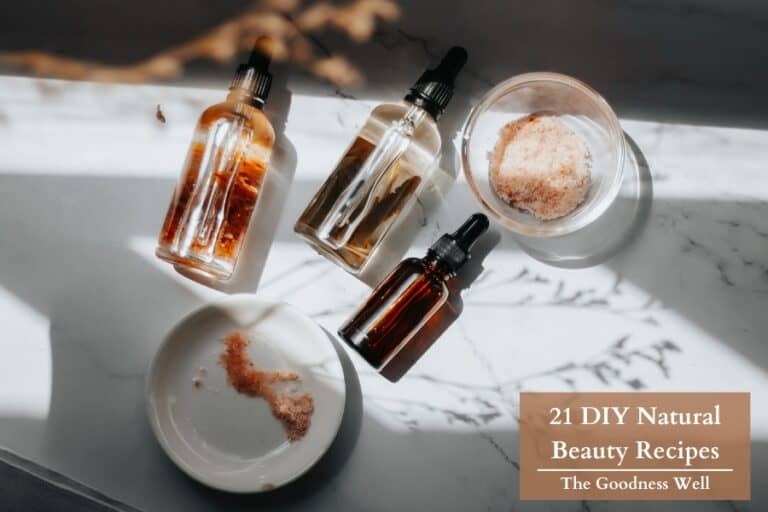
Natural preservation in beauty products refers to techniques and substances used to extend the shelf life of cosmetic formulations without the use of synthetic chemicals. This method is increasingly popular among DIY beauty enthusiasts who seek to maintain the integrity of their creations while prioritizing skin health and safety. By utilizing natural preservatives, beauty makers can effectively inhibit the growth of harmful microorganisms and enhance product durability, thus ensuring that their homemade formulations remain effective and safe for use over time.Common natural preservatives, derived from plants or other natural sources, play a vital role in maintaining the quality and safety of DIY beauty products.
These substances not only help to prevent spoilage but also often provide additional benefits for skin health. The choice of preservative can affect the final product’s texture, aroma, and overall effectiveness. Understanding these preservatives is essential for anyone interested in creating their own beauty products.
Common Natural Preservatives
A variety of natural preservatives can be employed in DIY beauty formulations to ensure longevity and safety. The following list Artikels several widely used options along with a brief description of each:
- Vitamin E Oil: Acts as an antioxidant, helping to prevent oils from becoming rancid and preserving the freshness of products.
- Rosemary Extract: A potent antioxidant that not only extends shelf life but also offers beneficial properties for skin health.
- Grapefruit Seed Extract: Exhibits antimicrobial properties, inhibiting the growth of bacteria and fungi in water-based formulations.
- Tea Tree Oil: Known for its antibacterial and antifungal qualities, making it an excellent choice for preserving products aimed at acne-prone skin.
- Honey: A natural humectant with antimicrobial properties, often used in formulations for its skin-soothing benefits and preservation capabilities.
The importance of using natural preservatives cannot be overstated, as they contribute significantly to skin health and safety. Unlike synthetic preservatives, which can cause irritation or allergic reactions in some individuals, natural options are typically gentler and more compatible with the skin. Furthermore, they can enhance the overall quality of beauty products by infusing them with beneficial properties that promote skin nourishment.
“Natural preservatives not only protect your products but also enhance their effectiveness and skin-friendly attributes.”
Essential Oils as Natural Preservatives
Essential oils are not only celebrated for their aromatic properties but also for their ability to extend the shelf life of DIY beauty creations. Their natural antibacterial, antifungal, and antioxidant qualities make them effective preservatives that can help maintain the integrity of homemade products, making them safer and more enjoyable to use. Understanding which oils to incorporate and how to do so effectively can greatly enhance the efficacy and longevity of your beauty formulations.When considering essential oils as natural preservatives, it’s essential to recognize the specific oils known for their preservative properties.
These oils can inhibit the growth of harmful microorganisms, thus ensuring that your beauty recipes remain fresh and effective for longer periods.
Essential Oils with Preservative Properties
Several essential oils possess natural preservative qualities that can significantly benefit DIY beauty products. Below is a list of notable essential oils recognized for their effectiveness:
- Tea Tree Oil: Known for its potent antibacterial and antifungal properties, tea tree oil is effective in preventing mold and bacterial growth.
- Lavender Oil: This oil not only imparts a delightful fragrance but also offers antimicrobial benefits, helping to stabilize products.
- Rosemary Oil: Renowned for its antioxidant properties, rosemary oil helps to prevent oxidation in oils and creams, thereby extending shelf life.
- Lemon Oil: Its high acidity and antibacterial properties make lemon oil an excellent choice for preservation, particularly in water-based formulations.
- Peppermint Oil: With its antiseptic qualities, peppermint oil can help deter bacteria and support product longevity.
Incorporating essential oils into DIY beauty recipes requires careful consideration of their concentrations and compatibility with other ingredients. It is crucial to ensure that the essential oil chosen will not only enhance the product’s shelf life but also complement its intended use and fragrance profile.
Incorporating Essential Oils into DIY Beauty Recipes
To effectively incorporate essential oils into your DIY beauty products, follow these guidelines:
1. Select the Right Oil
Choose an essential oil that aligns with the product’s purpose and skin type. For instance, lavender oil works well in calming skin formulations, while tea tree oil is ideal for acne-prone skin.
2. Determine the Appropriate Dosage
Typically, a concentration of 1-2% essential oil is recommended for topical applications. This translates to approximately 6-12 drops of essential oil per ounce of carrier ingredients.
3. Mix Thoroughly
Blend the essential oil evenly with carrier oils, creams, or other bases to ensure consistent distribution throughout the product. This helps maximize the preservative effect.
4. Conduct a Patch Test
Before applying a new product to the skin, conduct a patch test to ensure there are no adverse reactions to the essential oil used.
Effectiveness of Essential Oils in Preserving Beauty Products
The effectiveness of different essential oils can vary based on their chemical composition and inherent properties. To better understand their preservative capabilities, a comparison can be drawn based on their antimicrobial strength and antioxidant effects.
| Essential Oil | Antimicrobial Activity | Antioxidant Properties |
|---|---|---|
| Tea Tree Oil | High | Moderate |
| Lavender Oil | Moderate | High |
| Rosemary Oil | Moderate | Very High |
| Lemon Oil | High | Moderate |
| Peppermint Oil | Moderate | Low |
Understanding these differences allows for informed decisions when formulating beauty products. For instance, a blend of both lavender and tea tree oil can provide an effective balance of antimicrobial protection and skin-soothing properties. By harnessing the unique benefits of each essential oil, DIY enthusiasts can create superior, naturally preserved beauty formulations.
Herbal Extracts and Their Benefits
Herbal extracts have been utilized for centuries in various cultures for their therapeutic and preservative properties. In the realm of DIY beauty creations, these extracts not only enhance the efficacy of products but also extend their shelf life naturally. By harnessing the rich benefits of herbal extracts, creators can produce beauty formulations that are not only effective but also aligned with a holistic approach to skincare.Herbal extracts are derived from various plants, and their unique properties can contribute significantly to the stability and quality of beauty products.
They often possess antimicrobial, antioxidant, and anti-inflammatory properties, which can help to preserve formulations while offering additional skin benefits. Understanding how to create herbal infusions and the specific uses of different herbal extracts can empower individuals to craft personalized beauty products that are both safe and effective.
Creating Herbal Infusions for Use in Beauty Creations
Crafting herbal infusions involves steeping plant materials in a solvent, typically water or oil, to extract their beneficial compounds. This process allows the active constituents of the herbs to infuse into the liquid, creating a concentrated solution that can be easily incorporated into beauty formulations. To create a herbal infusion, follow these steps:
1. Choose your desired herb
Select herbs known for their preservation properties and skin benefits, such as rosemary, chamomile, or calendula.
2. Prepare the herb
If using dried herbs, crush them slightly to increase the surface area. For fresh herbs, ensure they are clean and free from contaminants.
3. Combine with solvent
Place the herbs in a clean glass jar and cover them with the chosen solvent—water for a hydrosol or oil for a botanical oil infusion.
4. Infusion process
Seal the jar and let it sit in a warm, dark place for 1-4 weeks, shaking it occasionally. The duration will depend on the type of herb and the intended strength of the infusion.
5. Strain and store
After the infusion period, strain the mixture through a fine mesh strainer or cheesecloth, and transfer the liquid into a clean, dark bottle. Store it in a cool, dry place.Utilizing these herbal infusions in beauty preparations not only enhances their longevity but also provides added nourishment to the skin.
List of Herbal Extracts and Their Specific Uses in Beauty Formulations
Understanding the properties and applications of various herbal extracts can greatly enhance the effectiveness of DIY beauty projects. Here is a selection of commonly used herbal extracts and their benefits in beauty formulations:
- Rosemary Extract: Known for its antimicrobial properties, rosemary can help prevent the growth of bacteria in formulations. It is also rich in antioxidants, which provide anti-aging benefits.
- Chamomile Extract: Renowned for its soothing and anti-inflammatory effects, chamomile is ideal for sensitive skin formulations. It also has mild preservative qualities due to its antimicrobial action.
- Calendula Extract: With natural antifungal and antibacterial properties, calendula is often used in healing balms and creams. Its calming effects make it suitable for irritated or inflamed skin.
- Green Tea Extract: Rich in antioxidants, green tea extract helps to protect the skin from environmental damage. It also has anti-inflammatory properties, making it beneficial for acne-prone skin.
- Lavender Extract: This extract not only imparts a pleasant fragrance but also possesses antibacterial and antifungal properties. It’s often used in skin care for its calming effects.
Each of these herbal extracts can significantly contribute to the preservation and efficacy of DIY beauty creations, allowing artisans to create products that are both effective and shelf-stable.
The Role of Vitamin E and Other Antioxidants
In the realm of DIY beauty creations, extending the shelf life of your products is crucial for maintaining their effectiveness and safety. Incorporating natural preservatives is essential, and among these, antioxidants like Vitamin E play a vital role. Understanding how these components function can significantly enhance your formulations, allowing you to enjoy the freshness of your beauty creations for a longer time.Vitamin E, particularly in the form of tocopherol, functions as a powerful antioxidant, protecting oils and fats in your beauty products from oxidation.
This process prevents rancidity and maintains the integrity of your formulations, thus prolonging their shelf life. Not only does Vitamin E help preserve the quality of products, but it also offers skin benefits, such as moisturizing properties and protection against environmental stressors.
Other Antioxidants That Enhance Shelf Life
In addition to Vitamin E, several other antioxidants can be effectively utilized in DIY beauty recipes. Their inclusion not only aids in preservation but also enhances the overall health benefits of the formulations. The following are noteworthy examples:
- Rosemary Extract: Known for its potent antioxidant properties, rosemary extract is effective in preventing the oxidation of oils. It also possesses anti-inflammatory benefits, making it ideal for skin care products.
- Green Tea Extract: Rich in polyphenols, green tea extract is celebrated for its antioxidant effects. It not only helps in extending shelf life but also provides anti-aging benefits when applied topically.
- Vitamin C (Ascorbic Acid): While primarily known for its brightening properties, Vitamin C acts as an effective antioxidant, combating free radicals and enhancing the stability of formulations.
Incorporating these antioxidants into your beauty recipes can significantly boost their efficacy and longevity.
Step-by-Step Guide for Adding Antioxidants to Beauty Recipes
To effectively integrate antioxidants into your DIY beauty products, follow this systematic approach:
1. Select Your Antioxidant
Based on your product’s purpose, choose an appropriate antioxidant. For example, if formulating a facial oil, Vitamin E or rosemary extract would be ideal choices.
2. Determine Appropriate Concentration
Research the recommended usage rates for your selected antioxidant. For Vitamin E, a concentration of 0.5% to 1% is typically effective, while extracts may range from 0.5% to 2%.
3. Incorporate During Formulation
Add the antioxidant to your mixture during the cool-down phase of your recipe. This helps to preserve its properties, as high temperatures can degrade some antioxidants.
4. Mix Thoroughly
Ensure the antioxidant is well incorporated into the formulation. This can be achieved by using a whisk or blender, depending on the consistency of your product.
5. Conduct Stability Testing
After formulation, conduct a patch test on a small area of skin to ensure compatibility. Additionally, store the product in a cool, dark place to evaluate its shelf life over time.By following these steps, you can enhance your DIY beauty creations with effective natural preservatives, ensuring their longevity and promoting skin health.
Proper Storage Techniques for Longevity
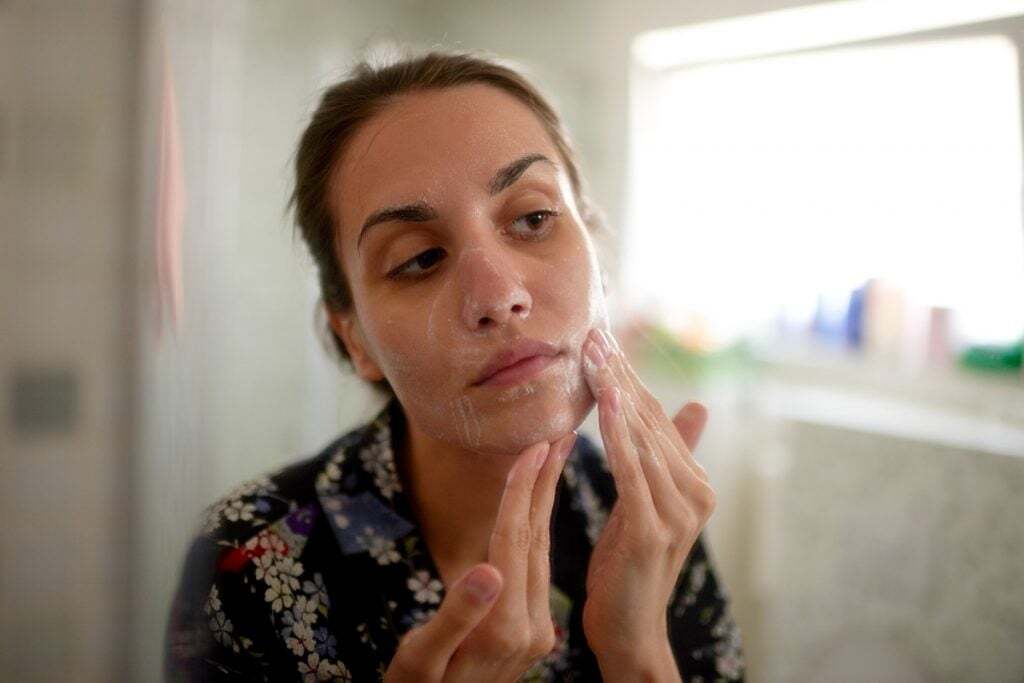
To maximize the shelf life of your homemade beauty products, understanding proper storage techniques is essential. The way you store these creations can significantly impact their efficacy and safety. By implementing effective storage practices, you can ensure that your DIY formulations maintain their quality over time.The longevity of your beauty products is influenced by factors such as the choice of containers, materials, temperature, and exposure to light.
Taking these factors into account will help preserve the beneficial properties of your ingredients and maintain product stability. Below is a discussion on optimal storage practices.
Best Storage Practices for Homemade Beauty Products
Utilizing the right storage techniques will help safeguard your DIY beauty creations from degradation. Consider the following essential practices:
- Choose Airtight Containers: Select containers that seal tightly to prevent air from entering. This is crucial as exposure to air can lead to oxidation and spoilage.
- Opt for Dark or Opaque Containers: Light can cause the degradation of sensitive ingredients. Using dark glass or opaque containers helps minimize exposure to light.
- Keep in a Cool Environment: Store your products in a cool, dry place, away from direct sunlight and heat sources. High temperatures can alter the chemical composition of the ingredients.
- Refrigeration for Certain Products: Some formulations, particularly those containing fresh ingredients or no preservatives, benefit from refrigeration to prolong freshness.
- Labeling and Date Tracking: Clearly label each product with the date of creation and ingredients used. This practice helps in monitoring shelf life and ensures safe usage.
Ideal Containers and Materials for Preserving DIY Creations
The choice of containers significantly affects the preservation of your beauty products. Below are recommended containers and materials that enhance longevity:
- Glass Containers: Glass jars and bottles are highly recommended due to their durability and non-reactive nature, which prevents contamination.
- Plastic Containers: If using plastic, ensure it is BPA-free and made of high-density polyethylene (HDPE) or polypropylene, as these materials are more stable.
- Airless Pumps: For serums and oils, airless pump containers are ideal as they minimize exposure to air and extend shelf life.
- Metal Containers: Aluminum or tin containers can be suitable for certain products, but be wary of potential reactions with ingredients.
Significance of Temperature and Light Exposure on Product Stability
Temperature and light exposure play critical roles in the stability of your beauty products. Maintaining an appropriate storage environment is essential for preserving efficacy.
“Heat can accelerate chemical reactions that lead to degradation, while light can cause the breakdown of active ingredients.”
Products exposed to high temperatures can lose their beneficial properties over time, making it crucial to store them in cooler conditions. Similarly, light exposure can lead to the degradation of delicate ingredients. Using dark or opaque containers not only protects the product but also helps retain its intended benefits. Implementing these storage techniques will ensure that your DIY beauty creations remain effective and safe for use over an extended period.
Testing and Monitoring Preserved Products
To ensure the longevity and safety of your DIY beauty creations, testing and monitoring the effectiveness of natural preservatives is essential. This process not only helps in maintaining the integrity of your products but also ensures that they remain safe for use over time. By employing various methods to assess changes in your beauty formulations, you can be proactive in identifying any signs of spoilage.The effectiveness of natural preservatives can be tested through various methods.
One popular approach is to conduct stability tests, wherein products are subjected to different conditions such as varying temperatures and light exposure. These tests help in observing how the formulations respond over time. Additionally, microbiological testing can be utilized to detect any microbial growth, ensuring that your products remain free from harmful bacteria and mold.
Monitoring Changes in Color, Scent, and Texture
Regularly monitoring the physical characteristics of your DIY beauty products is crucial in identifying any spoilage. Changes in color, scent, and texture can indicate that a product has deteriorated, potentially due to ineffective preservation. To effectively monitor these changes, consider implementing the following procedures:
- Organize a Schedule: Establish a routine for checking your products, such as weekly or bi-weekly, to track any alterations in appearance or fragrance.
- Document Observations: Maintain a detailed log of your observations, noting the date, any changes in color, scent, or texture, and the conditions in which the product was stored.
- Conduct Sensory Evaluations: Use sensory assessments to evaluate changes. This can include smelling the product, checking for any separation of ingredients, or observing any sediment formation.
Identifying Signs of Spoilage
Recognizing the signs of spoilage is critical to maintaining the safety and efficacy of your DIY beauty items. A checklist can be an invaluable tool in this monitoring process, allowing for quick identification of potential issues.Consider the following checklist for identifying spoilage:
- Color Changes: Look for significant darkening or fading of colors that were once vibrant.
- Off Odors: Be alert to any unpleasant or unusual smells that deviate from the original formulation.
- Texture Alterations: Note any changes in consistency, such as separation, clumping, or a grainy texture.
- Presence of Mold: Check for any visible mold growth on the surface of the product.
- Separation of Ingredients: Observe for any signs of ingredients separating, indicating a loss of emulsion.
Regular testing and monitoring not only preserves the quality of your products but also ensures the safety for your skin.
Creative Formulations Incorporating Natural Preservatives
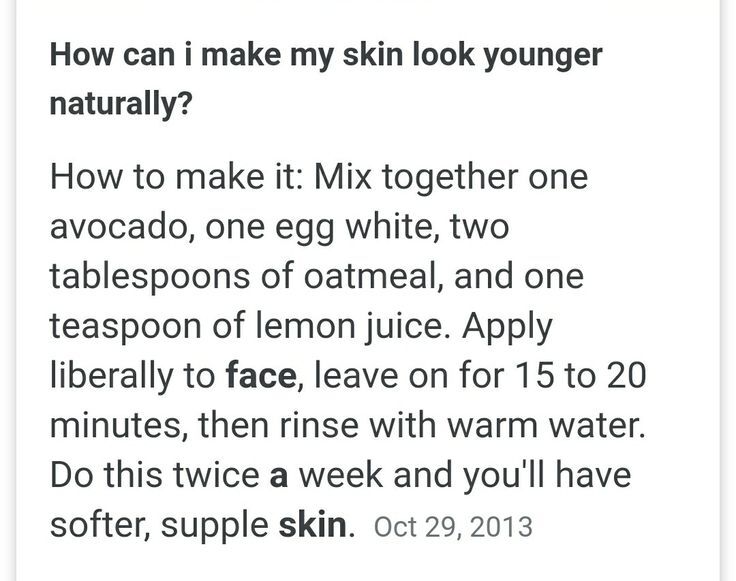
Creating DIY beauty products not only allows for customization but also the integration of natural preservatives that can enhance the shelf life of your formulations. This section will explore a basic DIY beauty recipe that incorporates natural preservatives, along with variations suited for different skin types and an explanation of how to adjust formulations based on the chosen preservation method.
Basic DIY Beauty Recipe: Moisturizing Face Cream
This moisturizing face cream recipe includes natural preservatives such as vitamin E oil and essential oils, which provide both preservation and skin benefits. Below are the ingredients and steps to create this nourishing product.
- Ingredients:
- 1/4 cup shea butter
- 1/4 cup coconut oil
- 1/4 cup almond oil
- 1 teaspoon vitamin E oil (as a natural preservative)
- 10 drops lavender essential oil (for scent and preservation)
“Vitamin E oil acts as an antioxidant, prolonging the shelf life of oils and butters within the formulation.”
- Step 1: In a double boiler, melt the shea butter and coconut oil over low heat until fully liquefied.
- Step 2: Remove from heat and add the almond oil, mixing well to combine.
- Step 3: Allow the mixture to cool slightly before adding the vitamin E oil and lavender essential oil.
- Step 4: Stir thoroughly, then pour the mixture into a clean jar and let it cool completely to solidify.
Variations for Different Skin Types
Adjusting your DIY beauty cream to suit various skin types can be easily accomplished by changing a few ingredients:
- For Oily Skin: Replace almond oil with jojoba oil, which mimics the skin’s natural sebum and can help balance oil production.
- For Dry Skin: Add an extra tablespoon of shea butter for added moisture and richness, enhancing the emollient properties of the cream.
- For Sensitive Skin: Use chamomile essential oil instead of lavender for a calming effect that minimizes irritation.
Adjustment Based on Preservation Method
When incorporating natural preservatives, it is essential to consider how these ingredients affect the overall formulation:
- Using vitamin E oil: While it provides antioxidant properties, the quantity should not exceed 1% of the total formulation to avoid a greasy feel.
- Essential oils: These not only contribute to preservation but also influence the fragrance and therapeutic benefits of the cream. Adjust the number of drops based on the potency of the oil and personal scent preference.
- Herbal extracts: When using extracts, ensure they are alcohol-free for facial creams, as alcohol can be drying. Incorporate them in small amounts (typically 1-5% of the total weight).
Environmental Impact of Natural Preservation
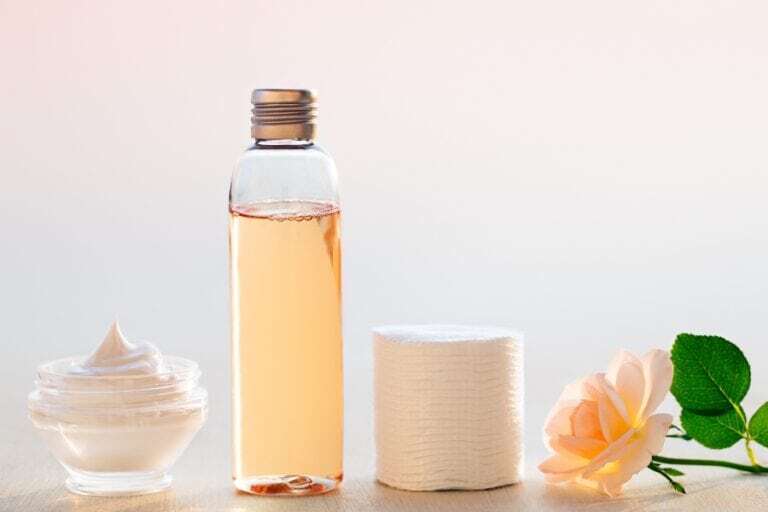
Utilizing natural preservatives in DIY beauty creations offers significant environmental benefits compared to synthetic options. The shift towards natural preservation not only contributes to a healthier planet but also aligns with sustainable practices that can be beneficial for both consumers and producers.Natural preservatives, derived from plants and other organic sources, generally have a lower ecological footprint than their synthetic counterparts.
They are biodegradable, which means they break down easily in the environment, reducing pollution and waste. Additionally, the use of such preservatives eliminates the risk of introducing harmful chemicals into ecosystems, thus protecting wildlife and natural habitats.
Sustainable Sourcing of Natural Ingredients
The sustainability of natural preservatives is closely linked to their sourcing. Ethically harvested ingredients ensure that the ecosystems from which they are derived are preserved. This has a positive impact on biodiversity and helps maintain the balance of local environments. Here are some key points regarding sustainable sourcing:
- Support for local economies: Sourcing ingredients from local farmers and suppliers reduces carbon footprints associated with transportation and promotes economic development in communities.
- Organic farming practices: Choosing organic ingredients ensures that no harmful pesticides or fertilizers are used, thus protecting soil health and water quality.
- Fair trade practices: Engaging with fair trade certified suppliers ensures that producers are compensated fairly, encouraging sustainable methods of cultivation and harvesting.
The impact of these sustainable practices extends to creating a market that prioritizes environmental responsibility, encouraging consumers to make informed choices regarding the products they use.
Lifecycle of Homemade Beauty Products
Understanding the lifecycle of homemade beauty products reveals their impact on the environment. From production to disposal, each stage plays a crucial role in determining the ecological footprint of these products. Key considerations include:
- Production: The process of making homemade beauty products typically involves fewer resources and energy compared to mass-produced items. This minimizes greenhouse gas emissions associated with manufacturing.
- Packaging: Utilizing recyclable or biodegradable packaging helps reduce waste in landfills, promoting a circular economy.
- Disposal: Unlike synthetic products which can introduce harmful substances into soil and water systems, natural products break down more easily, posing less risk to the environment.
By opting for homemade beauty creations that employ natural preservatives, consumers not only enhance their personal care routines but also contribute to a more sustainable future for the planet. As awareness of environmental issues grows, adopting eco-friendly practices in beauty formulation will become increasingly essential.
Ending Remarks
In summary, mastering the art of natural preservation for your DIY beauty creations not only enhances their shelf life but also enriches your experience as a creator. By incorporating essential oils, herbal extracts, and antioxidants, along with mindful storage techniques, you will be able to produce high-quality products that align with your values of health and sustainability. Embrace these methods to ensure that your beauty creations are not only delightful to use but also contribute positively to your well-being and the planet.